
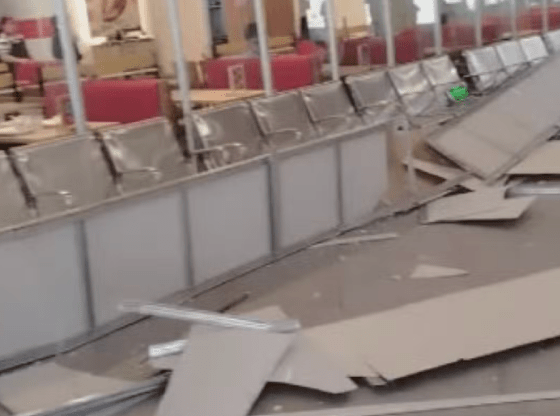

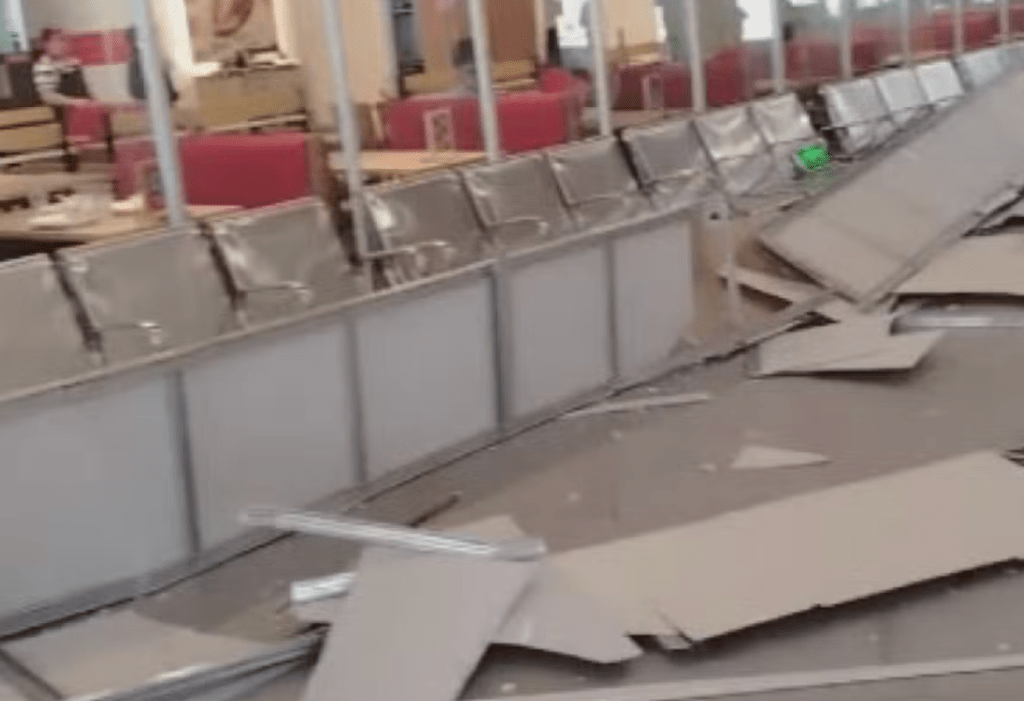
The collapse of a ceiling section at the Ninoy Aquino International Airport (NAIA) Terminal 1 arrival extension on Good Friday, April 3, 2026, has left seven people injured and the public demanding answers. As the dust settles on the debris that fell onto unsuspecting well-wishers, the central question remains: In a newly privatized airport, where does the buck stop?
As investigations by the Department of Transportation (DOTr) and the Senate begin, three entities are under the microscope for the structural failure:
| Entity | Role & Potential Liability |
| New NAIA Infra Corp. (NNIC) | As the current private operator (since Sept 2024), the San Miguel-led consortium bears “ultimate responsibility” for day-to-day maintenance and passenger safety. Critics argue that with increased terminal fees (P950 for international), the public expects premium safety, not falling debris. |
| Manila International Airport Authority (MIAA) | The government regulator must answer whether the collapse occurred in an “old” section or a “newly installed” structure. If the fault lies in legacy infrastructure that was poorly turned over, MIAA’s past maintenance record will be scrutinized. |
| Department of Transportation (DOTr) | Under Secretary Giovanni Lopez, the DOTr is the oversight body. Lawmakers, including Senator Raffy Tulfo, are questioning if the agency has been proactive enough in enforcing safety standards during the transition to private management. |
While NNIC General Manager Lito Alvarez confirmed that the seven victims are in stable condition and that medical expenses will be shouldered by the consortium, advocacy groups like ULAP have slammed the official response as “hollow.”
“You do not restore public confidence by saying operations remain normal,” stated ULAP convenor Rico Domingo. “You restore it by showing full compliance, full accountability, and full transparency.”
- February 8, 2026: The Terminal 1 arrival extension area officially opens to the public to improve passenger flow.
- April 3, 2026 (10:43 AM): A portion of the ceiling collapses onto waiting chairs, injuring seven people, including a senior citizen.
- April 4, 2026: Bicol Saro Rep. Terry Ridon and Sen. Raffy Tulfo call for a formal congressional inquiry into the privatization terms and maintenance lapses.
- April 5, 2026: DOTr confirms a full structural audit is underway to determine if the failure was due to aging infrastructure or faulty new construction.
The incident occurred just as NAIA began its most ambitious transformation under private rule. For many, this collapse is a literal and figurative crack in the promise of a “world-class” airport. If the NNIC cannot secure a ceiling during one of the busiest travel weeks of the year, the public is left wondering what other structural risks remain hidden behind the fresh coats of paint.
The verdict is clear: Whether it was a legacy flaw or a modern oversight, the New NAIA Infra Corp. must provide more than just medical checks—they must provide a guarantee that the “gateway to the Philippines” is no longer a hazard to those passing through it.