
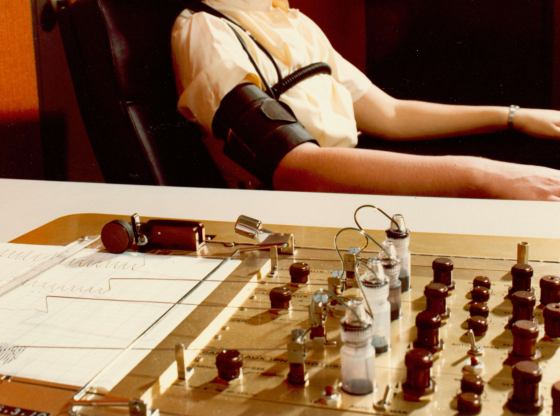

For decades, polygraph tests have measured a person’s breathing, pulse, blood pressure, and perspiration to detect lies. However, this 85-year-old technology has been largely debunked by scientists, and its results are typically inadmissible in US courts due to high rates of false positives and subjective interpretation.
In 2024, researchers are exploring whether artificial intelligence can improve lie detection. A study published in the journal iScience by a team led by University of Würzburg economist Alicia von Schenk suggests it might. According to MIT Tech Review, the study found that AI could improve accuracy but also increased the rate of accusations, highlighting potential risks of relying on algorithms over human intuition.
The Experiment
Participants were asked to write statements about their weekend plans, with a financial reward for successful lies. These statements trained an algorithm based on Google’s BERT language model. The AI identified lies with a 67% success rate, outperforming humans’ typical 50% accuracy.
User Behavior and Findings
Volunteers could choose to use the AI tool for a fee or rely on their intuition. Only a third opted for the AI, but those who did became heavy users. Users of the tool accused 58% of statements of being lies, compared to 19% by those relying on intuition. This aligns with the truth-default theory, which suggests people usually avoid accusing others due to poor lie detection skills and the risks of false accusations.
Implications and Concerns
The AI’s accuracy needs to be significantly higher to be fully reliable, but it holds promise in combatting disinformation. Given the increasing sophistication of AI systems in deception, enhancing our defenses is crucial.
Von Schenk highlights the necessity of rigorous testing to ensure these technologies surpass human capabilities: “Given the rampant spread of fake news and disinformation, there is a benefit to these technologies. However, you really need to test them — you need to make sure they are substantially better than humans.