


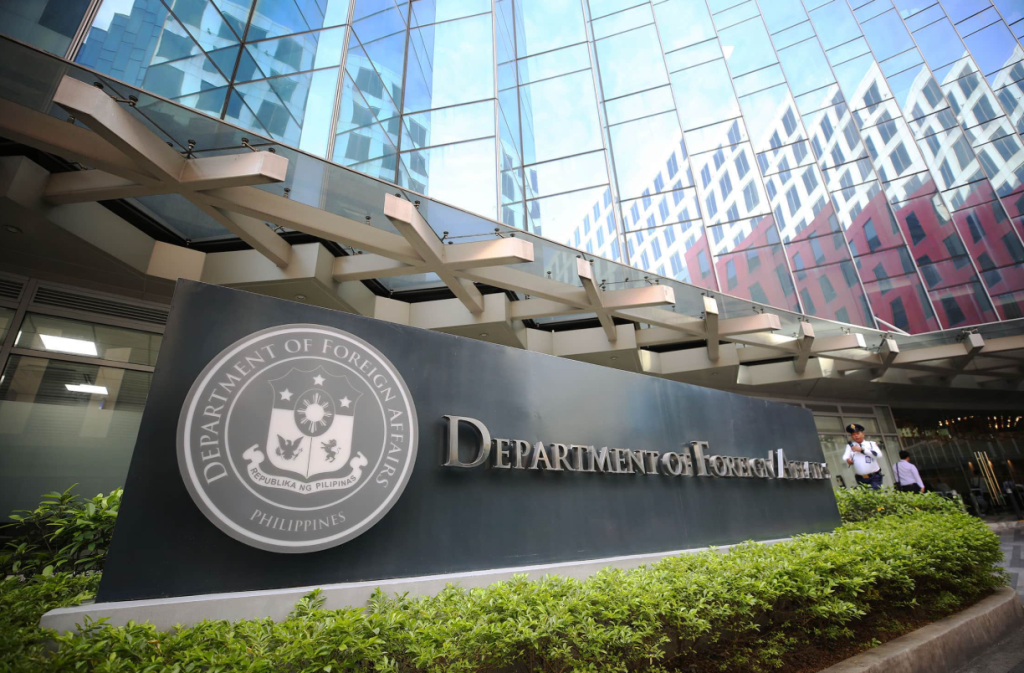
JERUSALEM — The Department of Foreign Affairs (DFA) has confirmed the death of another Filipino national in Israel, as the region grapples with the most intense wave of aerial bombardments since the conflict erupted in late February.
This latest tragedy brings the total number of Filipino fatalities to five since the start of the current hostilities. The victim, whose identity is being withheld pending the notification of all immediate family members, was reportedly caught in a retaliatory airstrike that hit a residential area in the northern district of Israel.
The Philippine Embassy in Tel Aviv stated that the victim had been working in Israel for several years. Unlike previous casualties who were caught in the initial cross-border raids, this fatality occurred during the sustained exchange of missiles and interceptors that has characterized the last 48 hours of the war.
“It is with deep sadness that we confirm the loss of another one of our countrymen,” said Philippine Ambassador to Israel Pedro Laylo Jr. “Our team is currently working with Israeli authorities to facilitate the repatriation of remains and to provide every possible assistance to the grieving family back home.”
The escalation comes as the conflict expands beyond the initial zones of friction. Northern Israel has become a frequent target of long-range rockets, forcing thousands of overseas Filipino workers (OFWs)—many of whom work as caregivers—to seek shelter in reinforced rooms and public bunkers.
Despite the danger, many Filipinos have chosen to stay with their elderly employers. “The bond between Filipino caregivers and their patients is incredibly strong,” noted a DFA official. “Many refuse to leave because they feel a moral obligation to protect those who cannot protect themselves.”
Back in Manila, President Ferdinand Marcos Jr. has ordered the Department of Migrant Workers (DMW) and the DFA to remain on “highest alert.” While the government has not yet declared a mandatory evacuation for all 30,000 Filipinos in Israel, voluntary repatriation flights are being organized for those in high-risk areas.
“The safety of our OFWs is our absolute priority,” the President said in a brief statement. “We are monitoring the situation hour by hour, and we are ready to move our people to safety the moment it becomes necessary.”
As news of the fifth death reached the Philippines, vigils were held in several provinces known for sending workers to the Middle East. For the families of those still in the conflict zone, the daily wait for a “safe” message via social media has become a harrowing ritual.
The Philippine government continues to coordinate with international humanitarian agencies to ensure that “green corridors” remain open for the delivery of aid and the safe movement of civilians.