
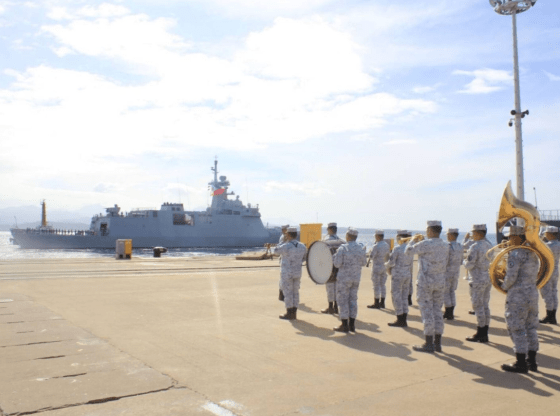


MANILA, Philippines — Tensions in the West Philippine Sea (WPS) reached a dangerous new peak on Saturday, March 21, 2026, after a Chinese Coast Guard (CCG) vessel allegedly targeted the Philippine Navy’s BRP Miguel Malvar (PS-19) with a fire-control radar while the latter was conducting a routine maritime patrol. The Armed Forces of the Philippines (AFP) described the encounter as a “blatant provocation” and a hostile maneuver that risks unintended military escalation in the contested waters.
A fire-control radar is used to guide weapons—such as missiles or cannons—to their targets. “Locking on” to a vessel with this technology is widely considered in international naval protocol as a “hostile intent” or a precursor to an attack. This latest incident near Ayungin Shoal marks a significant escalation from the usual “swarming” and water cannon tactics previously employed by Chinese maritime forces.
“This is not just a maneuver; it is a direct threat to the lives of our sailors and the sovereignty of our nation,” a Philippine Navy spokesperson stated during a Saturday morning briefing. “The BRP Miguel Malvar was operating well within our Exclusive Economic Zone (EEZ). We call on the international community to condemn this ‘gray zone’ aggression, which continues to undermine regional stability during an already volatile global period.”
Strategic Implications of the Radar “Lock-On”:
- Risk of Miscalculation: Security analysts warn that such “hostile acts” increase the probability of a kinetic engagement. This comes as the Philippines navigates the “Third Wave” of global geopolitical rivalries and the Middle East conflict, which has already strained international maritime security.
- Impact on the “Working Class”: The persistent “security chill” in the WPS directly affects Filipino fisherfolk, who are already struggling with ₱100-per-liter diesel prices and the Peso sliding past ₱60 vs $1. Increased naval tensions often lead to “exclusion zones” that further restrict their access to traditional fishing grounds.
- Defense Modernization Pressure: The targeting of the BRP Miguel Malvar—one of the Navy’s newer Corvettes—highlights the urgent need for the “BBB” (Build Better More) infrastructure and defense upgrades funded by the BIR’s ₱530-billion collection surplus.
- Diplomatic Fallout: The Department of Foreign Affairs (DFA) is expected to file a fresh diplomatic protest. The incident coincides with the “Cabinet reset” and the appointment of professionals like Toni Yulo-Loyzaga to key strategic roles, signaling a more technocratic approach to national resilience.
The encounter occurred as the Amihan season fades and the Easterlies bring clearer visibility to the WPS, often leading to more frequent sightings of foreign incursions. While the Philippine Stock Exchange (PSE) remains focused on its ₱170-billion capital raise target, market volatility has increased as investors weigh the risks of regional conflict.
In the private sector, symbols of “Soft Power” like the Filipinas’ World Cup journey and the Eraserheads’ docufilm continue to unify the public spirit, even as the “King of the Road” and transport groups like PISTON face the dual pressure of high fuel costs and maritime insecurity.
As the second quarter of 2026 begins, the AFP has reaffirmed its commitment to the “Transparency Policy”, documenting every incursion to ensure the global community remains aware of the situation. For the crew of the BRP Miguel Malvar, the mission continues, serving as the “First Line of Defense” in an increasingly contested maritime frontier.