


BAGUIO CITY — The scenic highlands of the Cordillera are facing a cold economic reality as a massive spike in diesel prices—ignited by escalating Middle East tensions—has sent inflation soaring across the mountain region.
According to the latest data from the Philippine Statistics Authority (PSA), regional inflation jumped to 4.5% in March, up from earlier, more stable figures. The surge is being driven almost entirely by the skyrocketing cost of fuel, which has hit the transport-dependent mountain provinces particularly hard.
Apayao and Baguio: Ground Zero for Price Hikes While the entire region is feeling the pinch, Apayao has emerged as the hardest-hit province, recording a staggering 8% inflation rate in March—nearly double its February figure of 4.3%. Experts point to a “double whammy” of surging diesel costs and rising prices for local staples like rice and red onions.
In Baguio City, the regional summer capital, inflation climbed to 6.2%. The city, which traditionally suffers from higher pump prices than its lowland neighbors, saw diesel hit a peak of P164.70 per liter in early April. Although an industry-wide rollback brought prices down to around P139.50 last week, the “second-round effects” on food and transportation remain a heavy burden for residents and tourists alike.
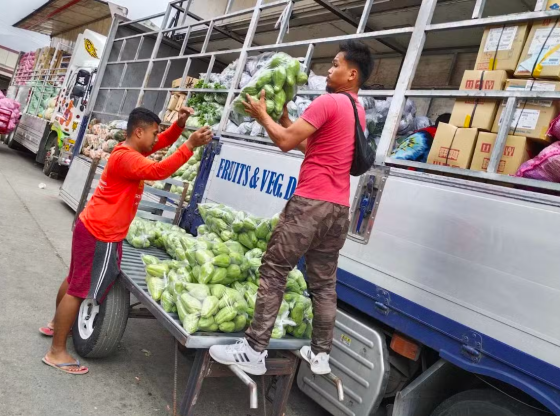
The Cost of “Salad Vegetables” The crisis is not just a local problem; it threatens the food supply of Metro Manila. Benguet, which produces roughly 80% of the capital’s daily salad vegetables, saw diesel inflation explode from a negligible 0.1% in February to 49.3% in March.
Farmers at the Benguet Agri-Pinoy Trading Center warn that if fuel costs for transport and irrigation are not stabilized, the price of highland vegetables in Manila markets will continue to climb. “High diesel prices lead directly to spikes in food costs,” noted PSA Cordillera chief statistician Aldrin Federico Bahit Jr. “The mountain region is not spared.”
In response to the growing crisis:
- Standby Funds: Agriculture Secretary Francisco Tiu Laurel Jr. has directed the pooling of standby funds to support farmers in Benguet, Mountain Province, and Ifugao.
- Wage Adjustments: The Baguio City Council has formally urged the Regional Wage Board to review and adjust minimum salaries, citing the “erosion of workers’ purchasing power.”
- Market Linkages: The Department of Agriculture (DA-CAR) is intensifying its “Kadiwa” program to connect farmers directly with consumers, cutting out middleman transport costs.
Economists are cautiously watching a two-week ceasefire between the United States and Iran, hoping for a window of stability that could lower global oil prices. However, with the “giant leap” in fuel costs already baked into the local economy, the Cordillera is bracing for a difficult second quarter.
For now, the people of the highlands are left navigating a steep climb, where the cost of living seems to be rising faster than the mountain roads.