
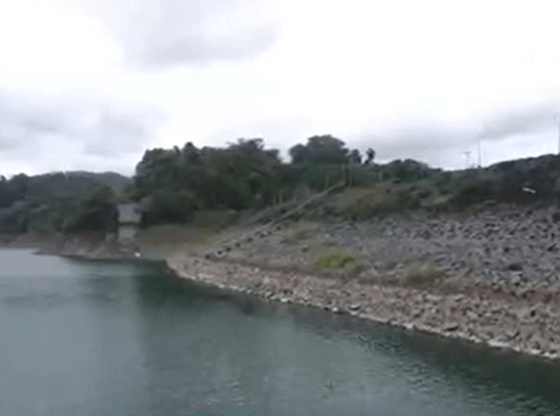

Angat Dam, a crucial water reservoir in Bulacan, is facing a concerning drop in water levels, nearing its minimum operating level of 180 meters. The state weather bureau PAGASA reported a decrease from 184.38 meters on Thursday to 183.99 meters, highlighting a critical situation that could impact water supply in major parts of Luzon, including Metro Manila, Rizal, and parts of Cavite and Bulacan.
Escalating Water Crisis
This decline in water levels at Angat Dam, which provides approximately 90% of the water needs for Metro Manila and surrounding areas, underscores a growing water security issue in the region. The situation is compounded by simultaneous decreases in water levels at other significant dams like La Mesa, Binga, San Roque, and Magat, as monitored by PAGASA.
Government and Community Response
In response to the falling water levels and the broader implications for water supply, the Department of Environment and Natural Resources (DENR) has taken proactive measures. It has directed golf courses in Metro Manila, which are significant consumers of water, to implement water conservation measures. Affected golf courses include prestigious locations such as Wack-Wack Golf, Manila Golf, and Villamor Golf, among others.
Broader Environmental Challenges
The declining water levels in Angat Dam are part of a larger environmental challenge exacerbated by the ongoing El Niño phenomenon. Since its declaration on July 4 of the previous year, El Niño has been affecting weather patterns and consequently, water availability across the Philippines. As of early May, water shortages have already impacted 13 cities and towns across Ilocos, Western Visayas, Zamboanga, and Bangsamoro regions, as reported by the National Disaster Risk Reduction and Management Council (NDRRMC).
Urgent Need for Widespread Water Conservation
With the start of the warm and dry season declared on March 22, the urgency for widespread water conservation measures has become more pronounced. The community and government agencies are urged to coordinate closely to manage the resource efficiently and prepare for potential shortages.
Conclusion
The situation at Angat Dam serves as a critical reminder of the vulnerabilities in water management systems and the need for sustainable practices and preparedness in the face of changing climate conditions. As the water level continues to drop, continuous monitoring and adaptive management will be crucial in averting a severe water crisis in the affected regions.