
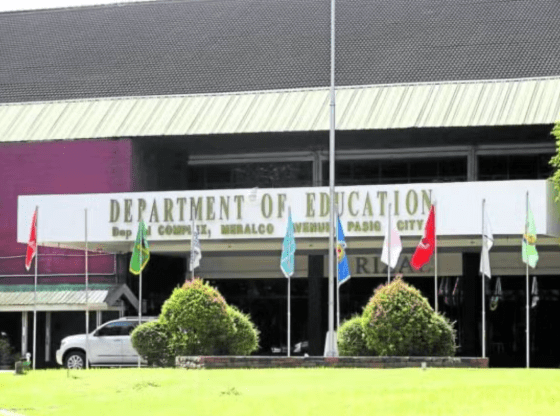


The transition back to a traditional academic cycle is officially underway as the Department of Education (DepEd) prepares to conduct a series of nationwide orientations on the newly adjusted three-term school calendar.
In a move aimed at aligning the school year with the country’s traditional “summer” months, DepEd is mobilizing regional and division offices to ensure that teachers, school administrators, and parents are fully briefed on the transition timeline. The shift marks a significant reversal of the August-to-May schedule, moving the start of classes back toward June to avoid the peak of the grueling Philippine heat.
The orientations are designed to clarify the “phasing” of the calendar shift. Moving millions of students back to the old schedule cannot happen overnight without cutting into vital instructional days.
DepEd officials explained that the transition will be gradual, involving shorter breaks over the next two academic cycles to “pull” the start date back. The sessions will cover everything from the adjusted number of school days to the scheduling of quarterly examinations and national holidays. For many educators, the primary concern is ensuring that the curriculum remains intact despite the compressed transition periods.
The decision to revert to the old calendar stems largely from the extreme heat experienced in classrooms during April and May. Last year, thousands of schools were forced to suspend in-person classes and shift to alternative delivery modes (ADM) as heat indices hit “danger” levels, making it nearly impossible for students to focus and for teachers to conduct lessons safely.
By returning to a June start, DepEd hopes to place the long break during the hottest months of the year, significantly reducing the health risks associated with heat exhaustion and ensuring a more conducive learning environment.
Parents and guardians are encouraged to participate in local school orientations to understand how these changes will affect their children’s enrollment and vacation schedules. The “three-term” approach—referring to the traditional grading periods—remains the standard, but the specific dates for parent-teacher conferences and school activities are being recalibrated.
As the Department of Education rolls out these briefings, the message to the public is one of preparation and cooperation. While the shift back to the “classic” calendar presents a logistical challenge, the government maintains that the long-term benefits for student health and academic performance are well worth the adjustment.