

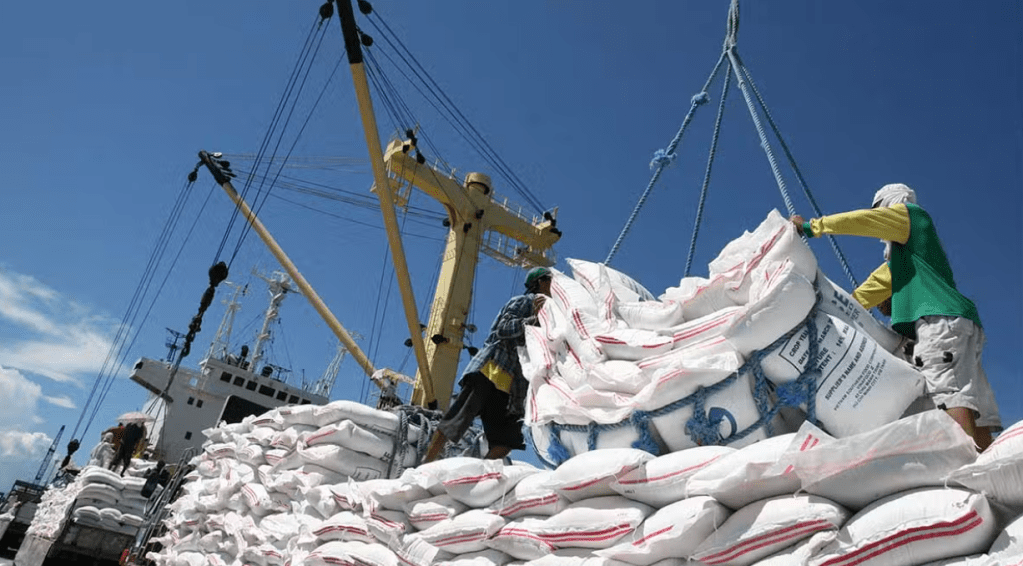
The Philippines is navigating a delicate balancing act with its latest shift in agricultural policy, as experts warn that new rice tariff rules could lead to a noticeable slowdown in imports.
In a move aimed at protecting local farmers while managing national food security, the government’s updated tariff structure is intended to stabilize the market. However, industry analysts suggest that the complexity of the new regulations—combined with shifting global prices—might cause international suppliers and local importers to take a “wait-and-see” approach, potentially thinning out the country’s grain arrivals in the short term.
The core of the issue lies in the adjustment of import duties. While lower tariffs are generally designed to keep retail prices affordable for Filipino consumers, the administrative process and the specific “trigger” prices for these tariffs can create uncertainty.
For importers, the risk is all in the timing. If a shipment is ordered under one tax rate but arrives when a different policy or “price cap” is in effect, the profit margins can evaporate. This financial risk is leading many major traders to hesitate, opting for smaller, more frequent shipments rather than the bulk orders the Philippines typically relies on to bolster its national buffer stock.
Agriculture advocates argue that a slowdown in imports isn’t necessarily a bad thing for everyone. For years, Filipino rice farmers have struggled to compete with the influx of cheaper grains from neighbors like Vietnam and Thailand.
By fine-tuning the tariff policy, the government hopes to create a “breathing room” for local producers. If imports slow down, it could provide a window for homegrown rice to take up more space on supermarket shelves, potentially fetching better prices for the hardworking farmers in provinces like Nueva Ecija and Isabela.
The big question for the average Filipino family is how this will affect the “per kilo” price of their daily staple. If imports slow down significantly before the local harvest can fill the gap, there is a risk of temporary supply tightness.
Government officials, however, are quick to reassure the public. They maintain that the country has sufficient reserves and that the policy is designed to prevent “dumping”—where too much cheap foreign rice enters the market at once and devalues the local crop.
As the Department of Agriculture (DA) and the Bureau of Customs (BOC) begin implementing these refined rules, the focus remains on food sovereignty. The goal is a sustainable system where the Philippines isn’t overly dependent on global market whims, yet still has access to affordable rice when local production falls short due to typhoons or El Niño.
For now, the shipping lanes may be a little quieter as the industry adjusts to the new “rules of the road” for the nation’s most important grain.