
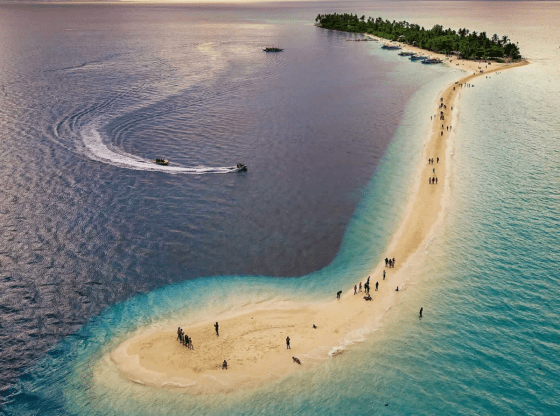

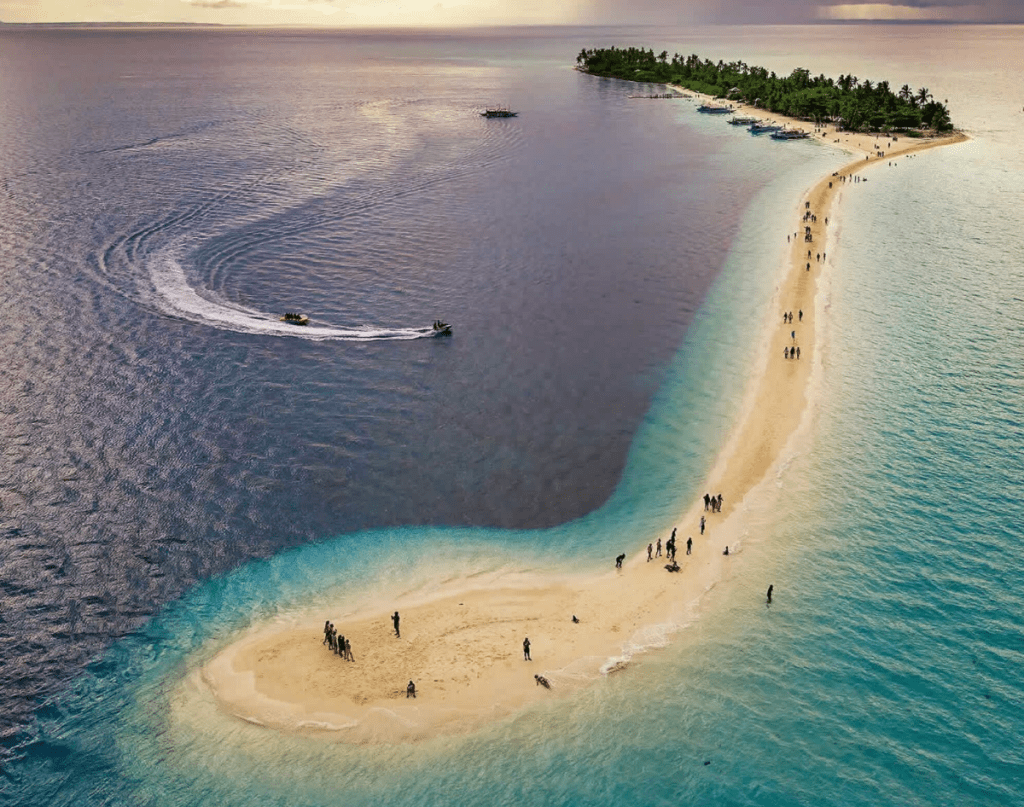
MANILA, Philippines – In a move to expand the country’s tourism portfolio without repeating the mistakes of the past, the Department of Tourism (DOT) is pushing for the carefully planned development of two newly identified “jewel” beaches. The agency emphasized that while these destinations hold the potential to become the next Boracay or El Nido, the priority must be a “studied” approach that balances economic growth with strict environmental preservation.
The initiative aims to position these emerging hotspots as premier sustainable destinations, ensuring that infrastructure is built around the natural landscape rather than at its expense.
The DOT’s strategy signals a shift toward high-value, low-impact tourism. By conducting thorough carrying-capacity studies before major developments begin, the government hopes to avoid the environmental degradation and overcrowding that have plagued other famous island destinations.
“We have learned our lessons from the past,” a DOT official stated. “Our goal for these ‘jewel’ beaches is to create a blueprint for responsible tourism. We aren’t just looking for more visitors; we are looking for the right kind of development that respects the community and the ecology.”
A key component of the development plan involves working closely with local government units (LGUs) to ensure that the benefits of tourism reach the grassroots level. This includes providing training for local guides, supporting small-scale hospitality businesses, and establishing waste management systems that can handle the projected influx of travelers.
The DOT is also looking at “green” infrastructure, such as solar-powered facilities and eco-friendly transport options, to minimize the carbon footprint of these new tourism hubs.
While the exact locations of these emerging “jewels” are being finalized through ongoing assessments, the buzz within the travel industry is already growing. Investors are reportedly eyeing the areas for boutique eco-resorts that cater to a growing demographic of travelers seeking seclusion, authenticity, and a deep connection with nature.
By taking a proactive, science-based approach, the DOT hopes to ensure that these beaches remain pristine for generations to come.
As the Philippines continues to recover and thrive in the global travel market, the development of these new destinations serves as a testament to the country’s commitment to “slow tourism.” For the DOT, it isn’t just about finding the next beautiful beach—it’s about ensuring that once found, it stays beautiful forever.