
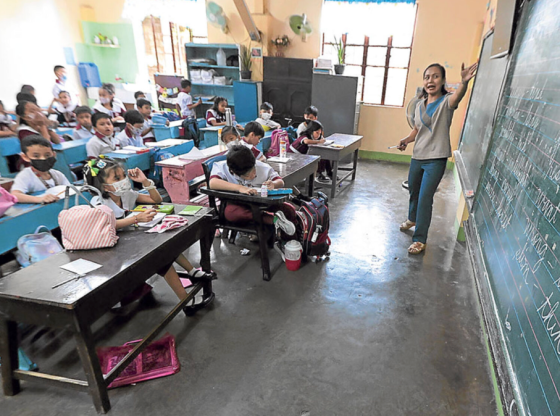

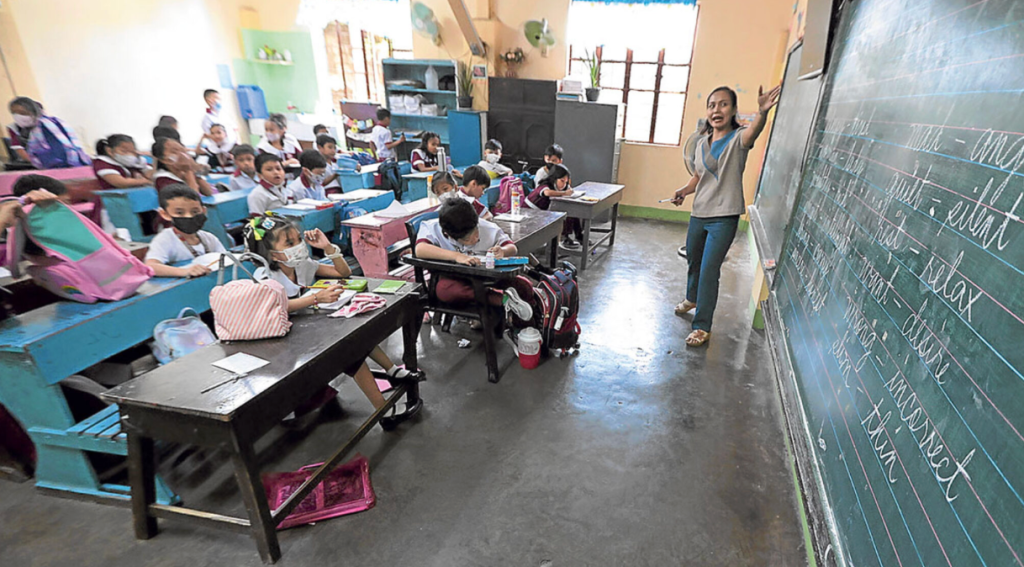
Education authorities and analysts are raising alarms after new data showed that many Filipino pupils are struggling to maintain academic proficiency as they progress through the school system. According to recent assessments, proficiency rates in foundational subjects like reading, writing, and numeracy tend to drop sharply from early grades to senior high school, highlighting a persistent learning gap.
In fact, recent analysis shows that while around 30 percent of Grade 3 learners meet expected proficiency levels, that figure plunges to less than 1 percent by the end of senior high school — indicating that most students fail to master key skills even after more than a decade of schooling.
Experts say this trend stems from weak foundations in the earliest years of schooling: many children still lack basic reading and numeracy skills by the time they reach upper elementary and secondary levels. Without early remediation, these gaps compound over time, leaving learners less prepared for complex subjects and real‑world challenges.
- Compounding learning loss: Students’ academic performance tends to worsen as they move up grade levels, especially after early learning milestones aren’t met.
- Long‑term implications: Weak proficiency undermines future opportunities — from higher education to employability — and can affect national competitiveness.
- Need for targeted reforms: Addressing early literacy and numeracy through focused interventions, teacher training, and curriculum adjustments is widely seen as essential to reversing the trend.