


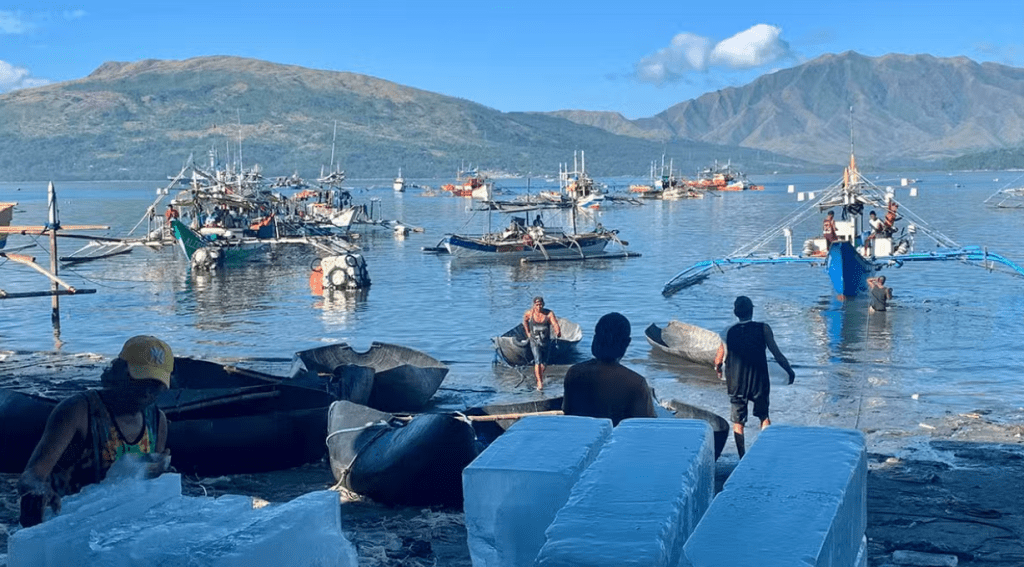
ZAMBALES, Philippines — The massive surge in diesel prices has hit the coastal province of Zambales particularly hard, leaving thousands of small-scale fisherfolk grounded. For many in the region, the cost of the fuel required to power their motorized boats now exceeds the potential value of their daily catch, creating a deepening economic crisis for one of the province’s primary industries.
Local fishing cooperatives report that a typical fishing trip, which previously cost around ₱1,500 to ₱2,000 in fuel, now requires upwards of ₱3,500. With the “diesel double whammy” of high global prices and a weak peso, many fishers are choosing to stay ashore rather than risk returning home with a “net loss.”
“We are at a breaking point,” a leader of a local fisherfolk association shared. “Even if we find a good school of fish, the price we get at the market isn’t enough to pay for the diesel we burned to get there. Many of us are now forced to look for construction work or other odd jobs just to feed our families.”
The situation in Zambales is further complicated by traditional fishing boundaries and competition. As fuel becomes more expensive, small-scale fishers are unable to travel further offshore to more productive fishing grounds, forcing them to congregate in overfished municipal waters. This increased competition leads to smaller yields, further diminishing the economic viability of each trip.
In response to the crisis, local government units (LGUs) in Zambales are looking into localized relief efforts, including:
- Fuel Subsidy Top-ups: Supplementing the national government’s fuel vouchers with local funds to provide immediate relief at the pump.
- Cold Storage Support: Exploring the installation of community ice plants to help fishers preserve their catch longer, allowing them to wait for better market prices.
- Alternative Livelihoods: Providing training for seaweed farming and other aquaculture ventures that are less dependent on motorized transport.
National maritime agencies are also being urged to increase patrols in the West Philippine Sea to ensure that local fishers can safely access traditional fishing grounds without harassment, maximizing the potential of the fuel they do manage to purchase.
As the province grapples with these challenges, the plight of the Zambales fisherfolk serves as a stark reminder of the human cost of global energy volatility. Without significant intervention or a stabilization of fuel prices, the traditional way of life for thousands of families along the Zambales coastline remains under severe threat.