
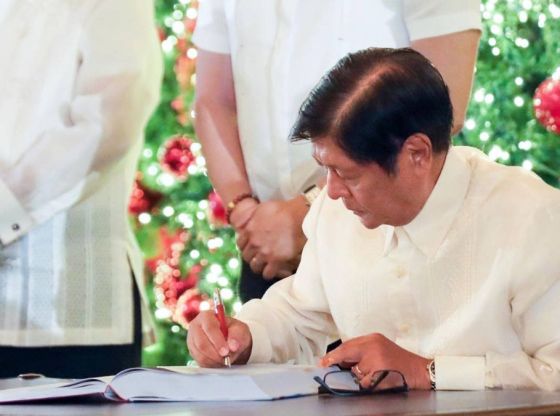

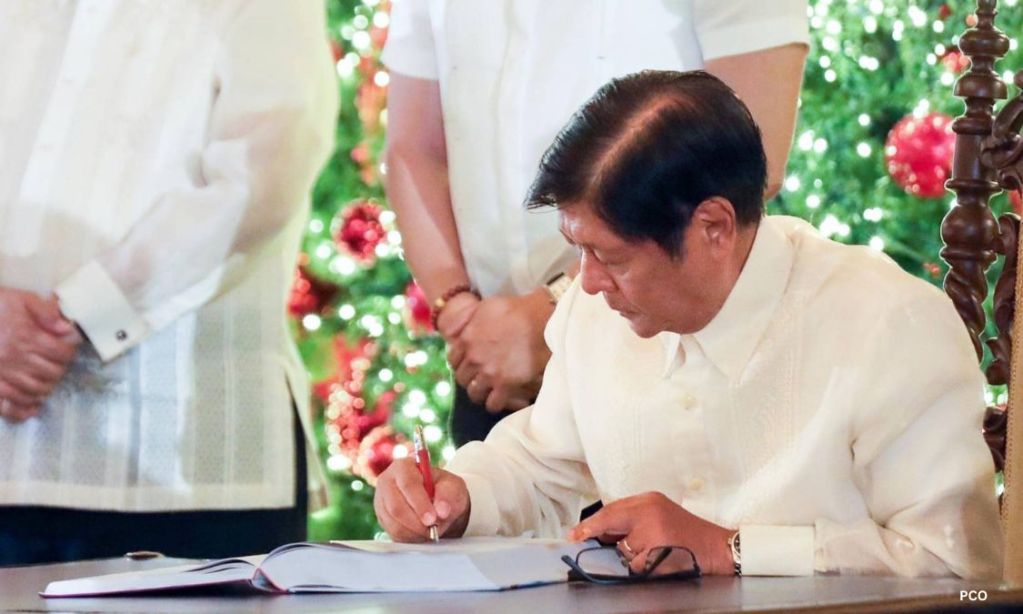
In the Philippines, a profound shift has taken place—one that touches how we care for our loved ones in their final moments and how we respect those who remain. The recently signed Republic Act No. 12160—also known as the Philippine Islamic Burial Act—recognises the deep religious and cultural traditions of Filipino Muslims, ensuring that their dead may be laid to rest with dignity.
Under this law, Muslim burials can proceed immediately, even without a death certificate. The body must be released within 24 hours from hospitals, funeral parlours or morgues, and cannot be withheld simply for unpaid bills or lack of paperwork. The deceased must be wrapped in white cloth and placed in a secure bag or box, according to Islamic rites.
The law aims to remove unnecessary delays and obstacles—delays that for many Muslim families have meant leaving loved ones unburied for days while paperwork and payments get sorted. The act recognises that delay is not just bureaucratic—it impacts belief, community and closure.
Those who impede the process—by withholding remains due to unpaid costs, for example—can face penalties: fines or imprisonment.
The new law is more than regulation. It’s a statement that in our society, the rights of the dead are deeply entwined with the rights of the living—and that for both, dignity matters. It affirms that for Muslim Filipinos, as for all citizens, faith, culture and final rites deserve respect from the State.