
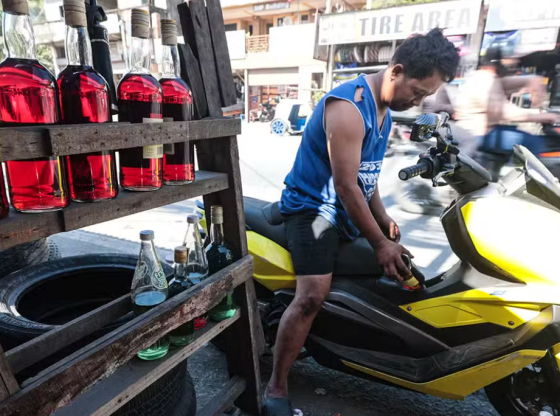

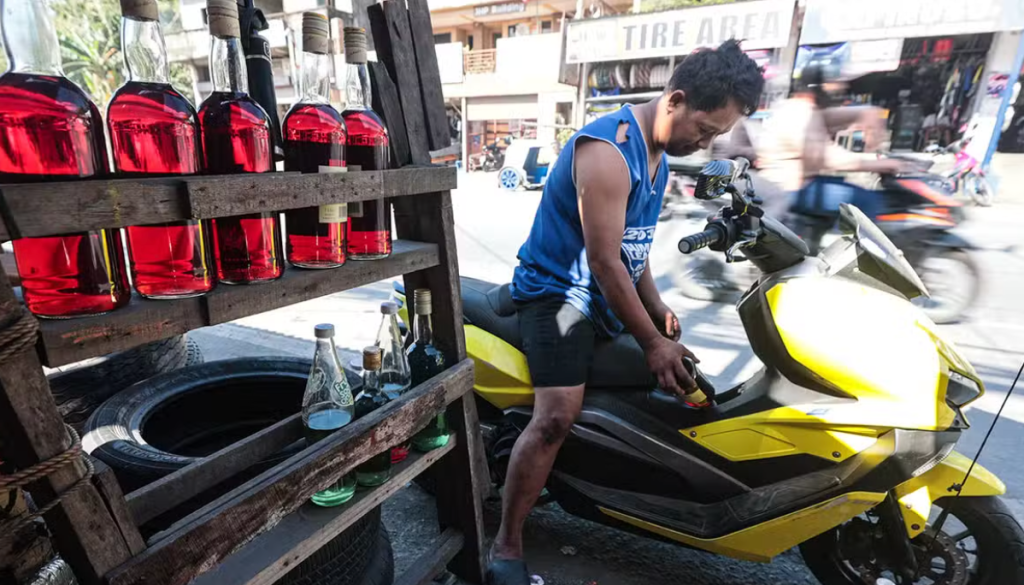
MANILA, Philippines — Public transport drivers across the country are struggling to cope with rising fuel prices and operating expenses, forcing many to adjust routes, cut working hours, or seek alternative income just to make ends meet.
Drivers of jeepneys, tricycles, UV Express vans, and taxis told local media that higher prices at the pump have significantly eroded their daily earnings, with some reporting that diesel and petrol prices have jumped by several pesos per liter in recent weeks. The increased cost of fuel — a key input for all public transport operators — has made it harder for drivers to cover expenses such as vehicle maintenance, spare parts, and daily subsistence needs, they said.
Several drivers said fare increases approved in some areas have not kept pace with rising fuel and operating costs, leaving many struggling to break even. Others reported that they have been forced to cut back on the number of trips they make each day because of the heavier financial burden, which in turn lowers their overall income.
Transport associations have urged authorities to consider temporary subsidies, fuel support programs, or fare adjustments to help ease the burden on drivers who continue to serve commuters despite mounting economic pressures.
Commuters themselves have expressed sympathy for drivers’ plight but noted that repeated fare hikes could also place added strain on household budgets, especially for low‑income families dependent on public transport.
Industry observers said that without some form of relief or stabilization of fuel prices, many transport operators could be pushed to reduce services — a development that could further affect mobility for millions of commuters.