


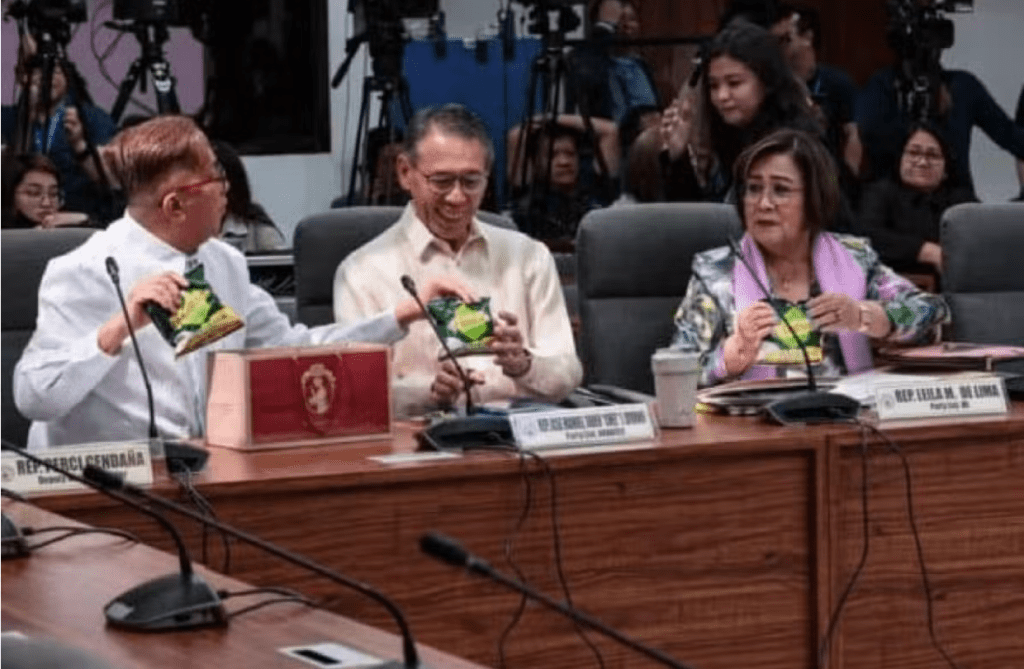
MANILA, Philippines — Several members of the House Committee on Justice have formally dismissed the accusations leveled by Atty. Manases “Mans” Carpio, husband of Vice President Sara Duterte, regarding alleged violations of bank secrecy laws. The lawmakers maintain that the current impeachment proceedings are a constitutional mandate that explicitly overrides traditional bank confidentiality protections.
The dispute follows Carpio’s announcement on April 27, 2026, that he would file criminal charges against lawmakers and officials of the Anti-Money Laundering Council (AMLC) for “weaponizing” financial records.
The core of the legal defense from the House rests on Republic Act No. 1405 (The Law on Secrecy of Bank Deposits). Lawmakers, including Reps. Leila de Lima and Chel Diokno, cited Section 3 of the law, which provides specific exceptions to bank secrecy:
- The Exemption: Bank deposits may be examined “in cases of impeachment.”
- The Scope: De Lima argued that “impeachment proceedings” include the House committee phase, not just the Senate trial. The filing and referral of the complaints to the Justice Committee legally initiated these proceedings.
- Accountability: Diokno emphasized that the law was never intended to be a “shield” for public officials to hide unexplained wealth.
Carpio’s complaint centers on a subpoena duces tecum issued for AMLC records, which revealed P6.7 billion in flagged transactions linked to the Vice President and her family between 2005 and 2026.
- Carpio’s Stance: He alleges the disclosure of “classified confidential banking records” (including utility payments and insurance) is “diabolical” and intended as “black propaganda” for the 2028 elections.
- The House Response: Committee Chair Rep. Gerville Luistro clarified that the committee subpoenaed AMLC reports, not direct bank records, and invited government officials rather than bank employees. Therefore, she ruled the documents fall outside the protection of the Bank Secrecy Law.
The hearings, which lasted nearly nine hours on April 22, were described as the “forensic truth” phase of the investigation.
- Key Evidence: Discrepancies between the couple’s Statements of Assets, Liabilities, and Net Worth (SALN) and the multibillion-peso cash flows identified by the AMLC.
- Suspicious Transactions: AMLC Executive Director Ronel Buenaventura testified that 33 transactions were flagged as “suspicious,” involving doubts about trade obligations or financial capacity.
Despite Carpio’s intent to sue for damages and privacy violations, the House Committee on Justice is proceeding with its timeline.
- Final Hearing: The committee aims to conclude its deliberations by April 29, 2026.
- The Vote: The panel will vote on whether the complaints are sufficient in form and substance.
- Potential Trial: If probable cause is found, the articles of impeachment will be transmitted to the Senate for a formal trial.
Lawmakers warned that any attempt to use the court system to halt the proceedings would likely be viewed as an interference with the exclusive constitutional power of Congress to initiate impeachment cases.