
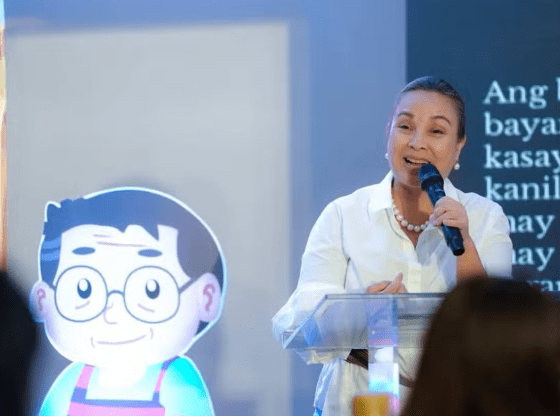


MANILA, Philippines — Senator Loren Legarda has filed a landmark measure aimed at dismantling the country’s “learning poverty” by overhauling the foundational years of the Filipino learner.
The proposed K to 3 Foundational Learning and Nurturing Care Act seeks to bridge the critical gap between early childhood care and the formal K–12 system. Legarda, who co-chairs the Second Congressional Commission on Education (EDCOM II), underscored the urgency of the bill, citing alarming data that nearly half of Filipino students are unable to read at their grade level by the end of Grade 3.
“What begins as a reading problem ultimately becomes a learning crisis,” Legarda stated. “If we fail our children in these formative years, we fail them for life.”
Key Features of the Bill:
- Focus on Foundational Skills: The measure prioritizes high-quality, language-rich, and numeracy-rich instruction from Kindergarten to Grade 3.
- Socio-Emotional Integration: Beyond academic subjects, the bill integrates socio-emotional learning (SEL) to help children manage emotions, build relationships, and develop critical thinking and integrity.
- Prevention-First Strategy: By strengthening early education, the bill aims to reduce the need for expensive remediation in higher grade levels and minimize future dropout rates.
- Addressing the “Missing Middle”: Legarda noted that while the Philippines has a framework for early childhood care, a “missing middle” in the transition to primary school often leaves children unprepared for the rigors of higher education.
The Senator highlighted staggering statistics from UNICEF and the World Bank, which indicate that 91% of Filipino children at late primary age struggle to read and understand a simple story. This places the Philippines among the countries with the highest learning poverty rates globally.
As the Chairperson of the Senate Committee on Higher, Technical, and Vocational Education, Legarda views this reform as a “national equalizer.” By fixing early-grade learning, she argues the government can optimize every peso spent on education, ensuring that Filipino children are not just attending school, but are actually learning the skills necessary to dream and contribute to the nation’s future.