


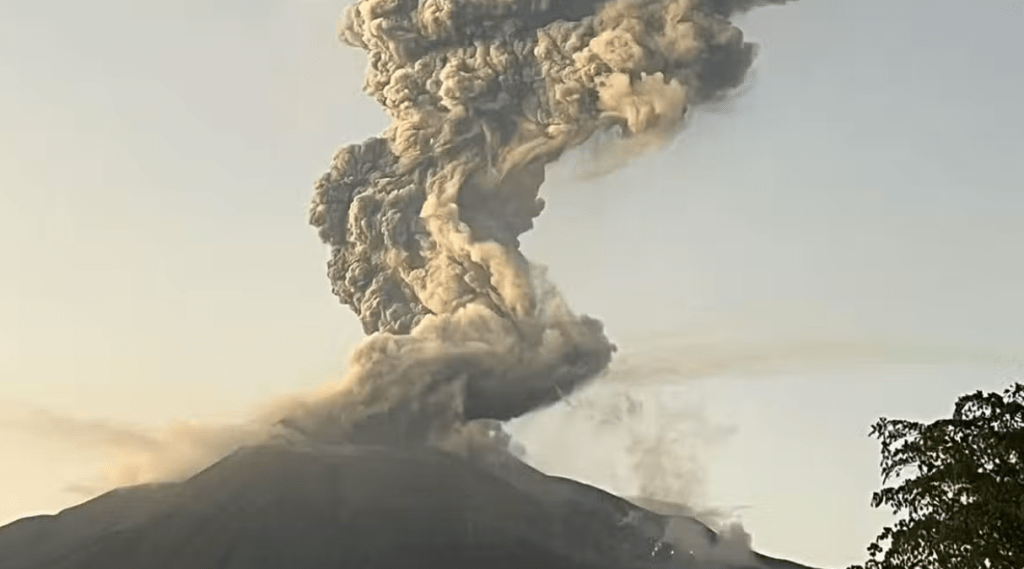
MANILA, Philippines — State volcanologists have raised the alarm following a moderate explosive eruption at Kanlaon Volcano on Monday, marking a renewed period of unrest for the active stratovolcano on Negros Island. The Philippine Institute of Volcanology and Seismology (PHIVOLCS) reported that the eruption produced a significant ash plume reaching several hundred meters into the atmosphere, accompanied by volcanic tremors and the smell of sulfur in nearby communities.
The eruption, which occurred in the early morning hours, was characterized by a sudden release of steam and volcanic gases. Ashfall has already been reported in several barangays within the municipalities surrounding the volcano, prompting local government units (LGUs) to distribute face masks and advise residents to stay indoors.
“We have observed an increase in seismic activity over the past 24 hours leading up to this event,” a PHIVOLCS resident volcanologist stated. “This moderate explosion indicates that hydrothermal pressures are building up within the volcano’s vent. We are maintaining Alert Level 2, but we are ready to escalate if we see signs of magma rising to the surface.”
Under Alert Level 2, the public is strictly prohibited from entering the 4-kilometer radius Permanent Danger Zone (PDZ) due to the increased risk of sudden explosions, rockfalls, and landslides. Civil aviation authorities have also issued a notice to airmen (NOTAM) to avoid flying close to the volcano’s summit, as airborne ash can pose a severe threat to aircraft engines.
Local disaster risk reduction and management offices (DRRMOs) have activated their emergency protocols, preparing evacuation centers in case the situation deteriorates. Residents living downwind of the volcano are urged to cover their food and water sources to prevent ash contamination and to wear wet cloths or N95 masks to protect against respiratory irritation.
Kanlaon is one of the most active volcanoes in the Philippines, and its proximity to agricultural lands and populated areas in Negros Occidental and Negros Oriental makes its monitoring a top priority for the government. PHIVOLCS continues to utilize satellite imaging and ground-based sensors to track the volcano’s deformation and gas emissions.
As of this afternoon, the volcano remains under close observation. Authorities are calling for calm but vigilant cooperation from the public, emphasizing the importance of following official updates from government channels to avoid the spread of misinformation during this period of volcanic unrest.