


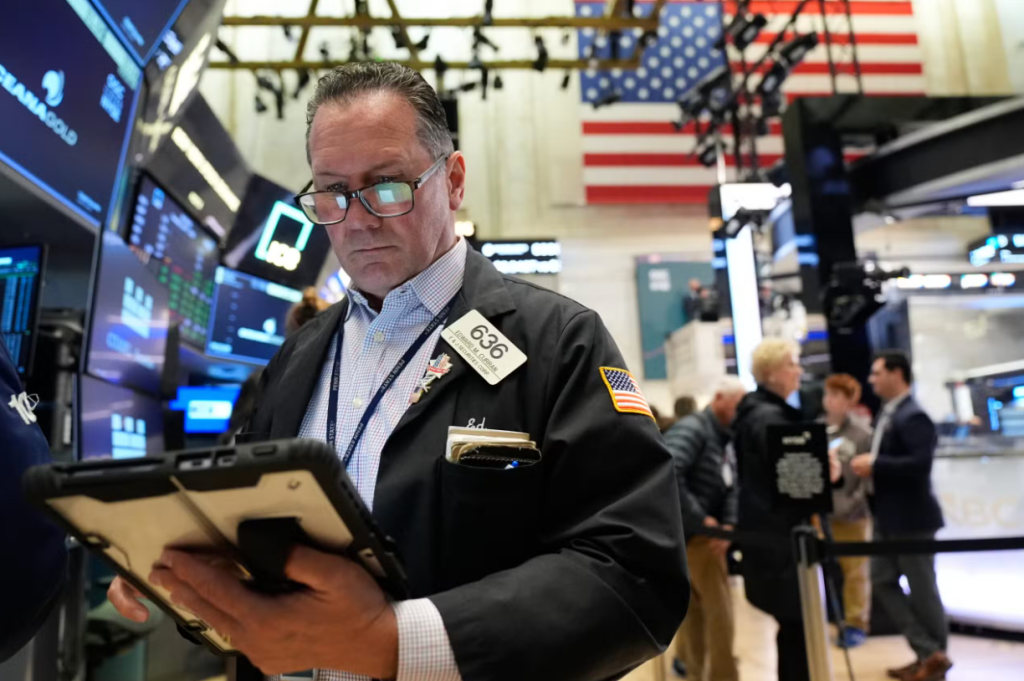
NEW YORK, United States — Global markets experienced a sharp reversal on Wednesday as a potential diplomatic breakthrough in the Middle East sparked a massive sell-off in energy commodities and a rally in equities.
The shift follows an announcement from President Donald Trump that he would suspend threats of “devastating attacks” on Iran for a period of two weeks. This pause is conditional on Iran agreeing to allow the safe passage of commercial vessels through the critical Strait of Hormuz, which has been a major flashpoint since hostilities began on February 28.
The news sent crude oil prices into a tailspin, providing a much-needed reprieve for energy-dependent economies.
- US Crude (WTI): Futures plummeted 18 percent, dropping to approximately $92.60 per barrel.
- Brent Crude: International benchmarks fell roughly 6 percent to settle near $103.40.
Despite this significant single-day drop, market analysts noted that prices remain substantially higher than pre-war levels. The Department of Energy (DOE) also cautioned that earlier damage to regional oil infrastructure might prevent prices from returning to their original baseline in the immediate future.
Stock futures jumped immediately following the de-escalation signals. S&P 500 futures rose 2.4 percent, as investors bet on a reduction in the “geopolitical risk premium” that has weighed on global markets for weeks.
Trump indicated that Iran has proposed a “workable” 10-point peace plan. While details remain sparse, the mere prospect of a cooling-off period has eased fears of a total regional blockade that would have paralyzed global trade.
This global market movement is a critical development for the Philippine economy, which has seen domestic inflation soar to 4.1 percent in March. With local diesel prices having breached ₱170 per liter, a sustained drop in global crude could eventually lead to a rollback in the weekly fuel price hikes that have plagued the transport and industrial sectors.
However, the “wait-and-see” approach remains the dominant sentiment. As the two-week window begins, market volatility is expected to remain high as traders monitor whether the ceasefire and the opening of the Strait of Hormuz will hold.