
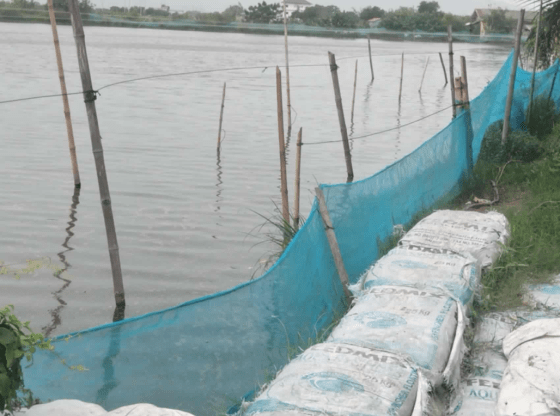

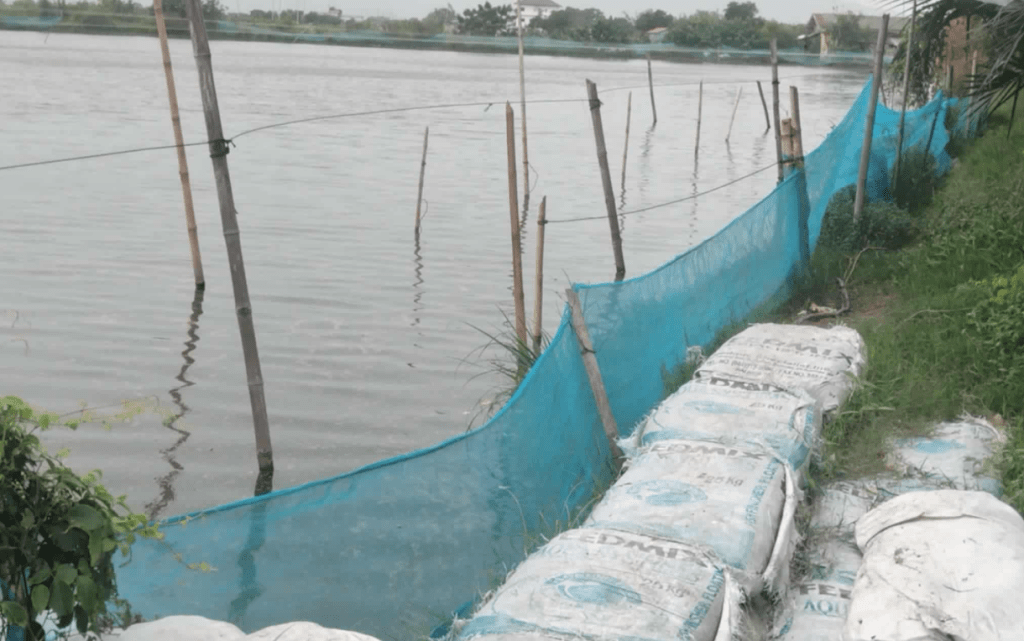
DAGUPAN CITY, Philippines — Fish farm operators in Pangasinan, the country’s leading producer of milkfish (bangus), are facing a “perfect storm” of environmental and economic challenges that threaten to drive up seafood prices across Luzon.
On May 4, 2026, the twin pressures of a record-breaking heatwave and the national energy emergency have left aquaculture stakeholders in a precarious position.
The intense summer heat has pushed water temperatures in fish ponds and cages to dangerous levels, leading to a significant drop in dissolved oxygen.
- Fish Kills: Operators in the towns of Binmaley and Lingayen have reported localized fish kills, as the shallow waters absorb more heat, suffocating the bangus stocks.
- Feeding Disruptions: To prevent further mortality, farmers have been forced to reduce feeding frequencies. “When the water is too hot, the fish lose their appetite and become stressed. If we feed them normally, the excess waste just rots faster and kills them,” explained one local operator.
- Stunted Growth: The reduced feeding means it is taking longer for fish to reach marketable size, delaying harvests and thinning out the profit margins of small-scale growers.
While the heat affects the biology of the fish, the cost of fuel is crippling the logistics of the industry.
- Aeration Costs: Many intensive fish farms rely on water pumps and paddle-wheel aerators to keep oxygen levels stable during heatwaves. These machines run predominantly on diesel, which has hit a staggering ₱140 per liter in the province.
- Transportation Spike: The cost of transporting fingerlings to the ponds and moving harvested fish to the Dagupan Fish Market has nearly doubled since the start of the Middle East conflict in February.
- Ice Shortage: Increased electricity rates and fuel costs for refrigerated trucks have also pushed up the price of ice, which is essential for preserving the catch during the “last mile” of delivery to Metro Manila.
Market analysts warn that the “Bangus Capital” may be forced to pass these costs onto consumers. While farm-gate prices have remained relatively stable due to a glut of “emergency harvests” (farmers harvesting early to avoid heat-related losses), a supply shortage is anticipated by late May or June.
Pangasinan fish pond operators are calling on the Bureau of Fisheries and Aquatic Resources (BFAR) to expand the distribution of fuel subsidy cards to include inland aquaculture operators. Currently, much of the aid has been focused on municipal fishers using motorized boats.
“We are also food producers,” said a representative from a local aquaculture cooperative. “If the pumps stop because we can’t afford the diesel, the fish die, and the tables in Manila go empty.”