


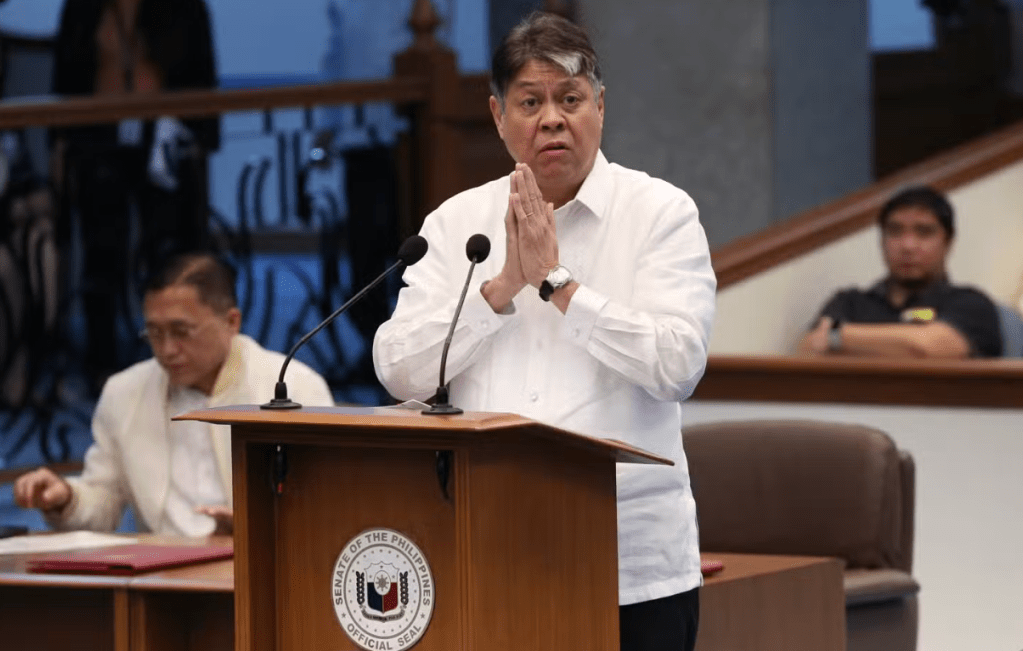
MANILA – Senator Francis “Kiko” Pangilinan has advocated for increased funding in digital agriculture initiatives as a means to curb corruption in the sector, emphasizing technology’s role in promoting transparency and efficiency. In statements on December 26, 2025, Pangilinan highlighted how digital tools—such as precision farming apps, blockchain traceability, and satellite monitoring—can minimize human intervention in fund allocation and project implementation, reducing opportunities for graft.
Pangilinan, a long-time agriculture advocate, tied the call to recent scandals like the P20-billion flood control mess and fertilizer fund controversies: “Digital farming isn’t just about higher yields—it’s about accountability. When processes are automated and data-driven, there’s less room for manipulation and kickbacks.”
Proposed Digital Farming Boost
- Key Tools: Drone monitoring, AI-based soil analysis, digital subsidy distribution (e.g., e-vouchers via apps).
- Benefits: Real-time tracking of inputs, direct farmer payments, and verifiable project outcomes.
- Funding Ask: Redirect portions of agriculture budgets (e.g., from traditional programs) to digital infrastructure, potentially saving billions in leakages.
The senator’s push aligns with the Department of Agriculture’s Matatag agenda under Secretary Francisco Tiu Laurel Jr., which includes digital transformation pilots. Pangilinan urged Congress to prioritize this in the 2026 budget deliberations, noting global successes like India’s digital agri platforms reducing subsidy fraud.
For farmers long plagued by delayed aid and ghost projects, Pangilinan’s vision offers hope: Technology not as luxury, but as shield against corruption—ensuring funds reach the soil, not pockets.
Digital Farming Advantages Snapshot:
| Aspect | Traditional vs. Digital |
|---|---|
| Fund Distribution | Manual; prone to delays/intermediaries |
| Project Monitoring | On-site inspections; subjective |
| Corruption Risk | High (kickbacks, overpricing) |