
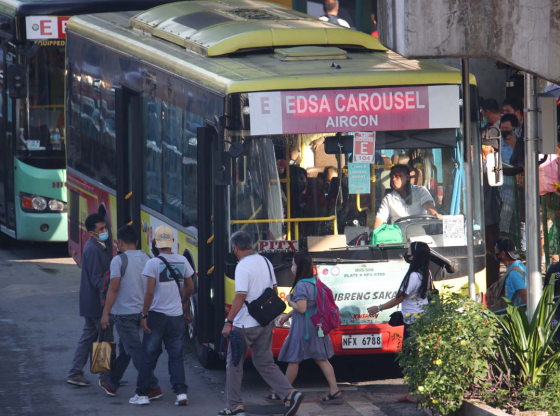

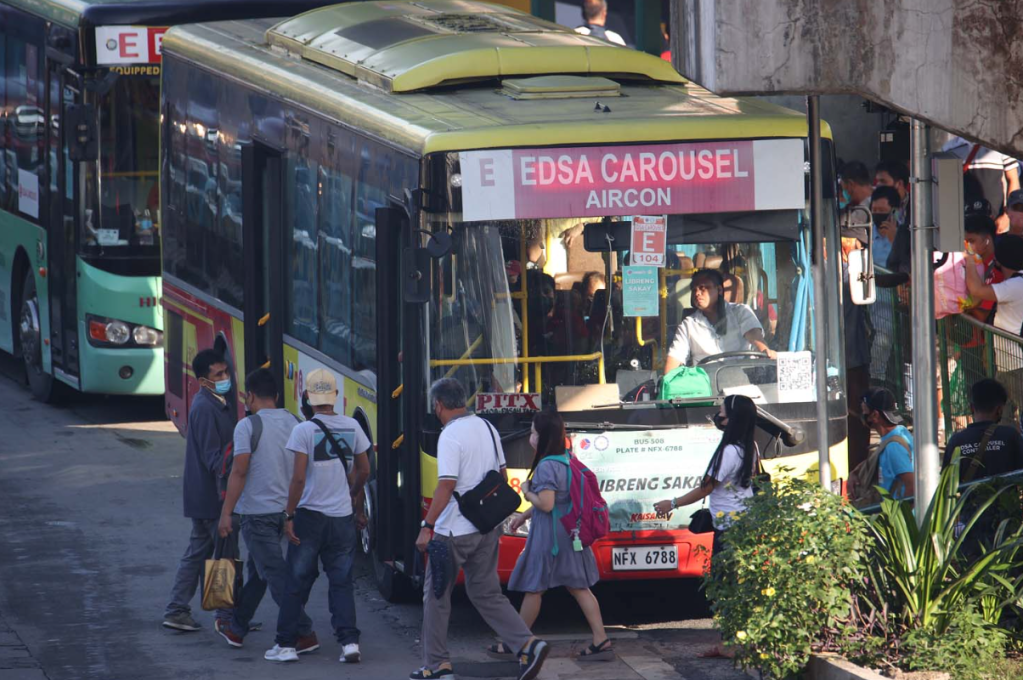
Former Senator Leila de Lima is calling for a strategic expansion of the government’s “Libreng Sakay” (Free Ride) program, framing it as a critical lifeline for Filipino commuters struggling with the “double whammy” of inflation and soaring pump prices.
In a recent statement, De Lima urged the Department of Transportation (DOTr) and the Land Transportation Franchising and Regulatory Board (LTFRB) to move beyond existing routes and increase the reach of free public utility vehicle (PUV) services. The proposal comes as traditional jeepney and bus fares continue to face upward pressure, eating into the daily take-home pay of the working class.
For millions of Filipinos, the cost of getting to work or school has become a significant financial burden. De Lima pointed out that while the fuel crisis is a global issue, the local impact is felt most acutely by those who rely on public transport.
“We cannot just watch as our workers spend a huge chunk of their earnings just to get to their jobs,” the former lawmaker emphasized. By expanding the free ride program, she argues that the government can provide immediate, “on-the-ground” relief that directly offsets the rising cost of living.
A key part of De Lima’s push involves ensuring that the program is not just expanded, but also properly funded and managed. She highlighted the need for timely payments to the PUV drivers and operators participating in the service-contracting scheme.
Past iterations of the “Libreng Sakay” program faced challenges with delayed payouts, leading some operators to pull out. De Lima is advocating for a more streamlined system where drivers are paid fairly and on time, ensuring that the service remains reliable for the public while supporting the livelihood of transport workers who are also being hit by high diesel and gasoline prices.
Currently, most free ride initiatives are concentrated in Metro Manila and major urban centers. De Lima’s proposal suggests a more inclusive approach, bringing the program to high-traffic provincial routes where commuters often have fewer transport options.
The goal is to create a “safety net” that covers a wider demographic—from students and minimum-wage earners to health workers and government employees. By making the program more accessible, the government can stimulate economic activity by ensuring that the workforce can move freely without the constant anxiety of fluctuating fare rates.
As the Lenten break concludes and the nation returns to its regular work schedule, the demand for affordable transport is expected to peak. De Lima is urging the current administration to treat the expansion of free rides as an urgent social protection measure.
“This is about more than just a free trip; it’s about dignity and economic survival for the Filipino commuter,” she noted. As the debate over fuel subsidies and transport modernization continues, the push for “Libreng Sakay” remains a focal point for those seeking immediate solutions to the country’s transport woes.