
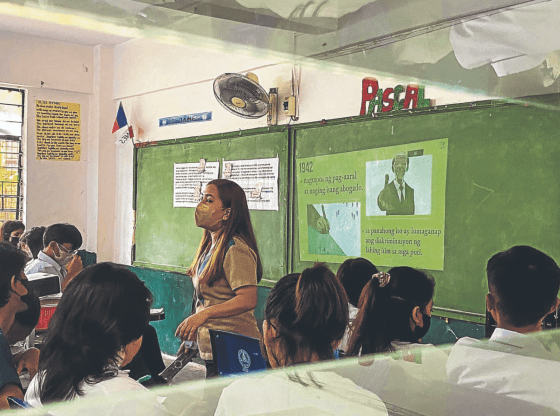


QUEZON CITY, Philippines — In the heart of the Philippines’ ongoing struggle for educational reform, Ruby Bernardo, a dedicated public school teacher and the current president of the Alliance of Concerned Teachers (ACT) – National Capital Region, has emerged as a pivotal figure. Her journey from the classroom to the forefront of labor leadership highlights the “Teacher-Leader” model—a dual role that balances the pedagogical needs of students with the systemic advocacy required for the welfare of educators.
Bernardo’s leadership comes at a critical juncture as the Philippine “Creative Economy” faces the “Third Wave” of global inflation and a Peso sliding past ₱60 vs $1. For public school teachers, who are often the first to feel the “diesel double whammy” in their daily commutes and household budgets, Bernardo has become a vocal proponent for a substantial salary upgrade and the protection of academic freedom.
“A teacher’s place is not just within the four walls of a classroom; it is wherever the rights of the people are being challenged,” Bernardo has often emphasized. “When we fight for a living wage and better classroom conditions, we are ultimately fighting for the quality of education our students deserve.”
The Pillars of Bernardo’s Leadership:
- The Push for Salary Grade 15: A central theme of Bernardo’s term is the demand to upgrade the entry-level salary of public school teachers to Salary Grade 15. This move is seen as essential to prevent “brain drain” to the BPO sector or overseas markets, especially as the cost of living in Metro Manila continues to rise.
- Classroom Crisis Intervention: Bernardo has consistently flagged the “chronic shortages” in the Philippine education system—ranging from a lack of chairs and textbooks to the 1:50 teacher-to-student ratio. Her leadership involves documenting these gaps to hold the Department of Education (DepEd) accountable.
- Protection of Academic Freedom: Amidst the “red-tagging” controversies of recent years, Bernardo has stood as a shield for educators, asserting that teachers must be free to encourage critical thinking without fear of state surveillance or harassment.
- Community-Based Learning: During the height of transport strikes and the halving of LRT-2 and MRT-3 fares, Bernardo has advocated for flexible, humane learning modalities that do not penalize students or teachers for the country’s infrastructure failures.
The profile of Ruby Bernardo coincides with a broader “Cabinet reset” in Malacañang, where the President is reassigning officials like Frasco and Loyzaga to new roles. For the teaching community, this highlight on Bernardo’s grassroots leadership serves as a stark contrast to the “recycled” political appointments in the upper echelons of government.
Bernardo’s influence also extends to the “Green Education” movement. As the government pushes for solar-powered irrigation and renewable energy initiatives like the Isabela Solar Park, she has called for the integration of climate literacy into the national curriculum, ensuring that the next generation of Filipinos is prepared for a “decarbonized” economy.
As the Amihan season fades and the Easterlies bring hotter, humid weather to overcrowded classrooms, the “Teacher-Leader” remains a fixture on the picket lines and in the faculty rooms. For Ruby Bernardo, the mission is clear: to ensure that the individuals who mold the nation’s future are not themselves left behind in the struggle for a dignified life.