
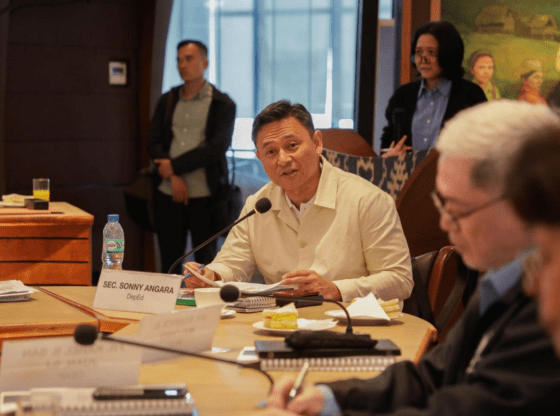

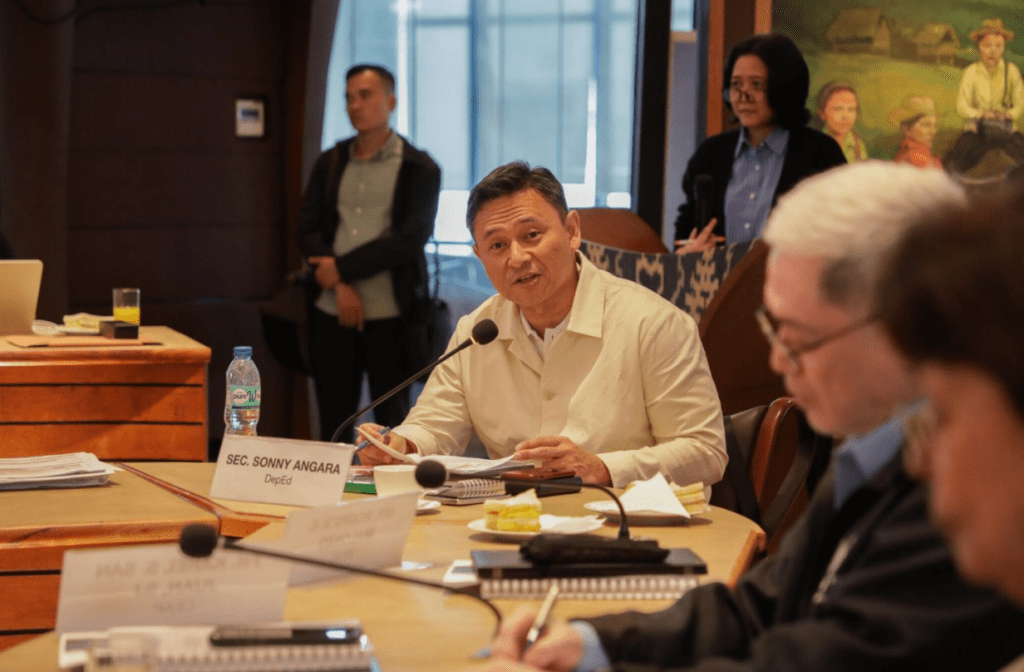
MANILA, Philippines — Education Secretary Sonny Angara announced on Monday, April 13, 2026, a substantial increase in the Maintenance and Other Operating Expenses (MOOE) for public schools nationwide, signaling a major shift toward direct funding at the grassroots level.
The funding hike is designed to help schools manage rising operational costs and provide better classroom resources for students. Under the 2026 budget, per-learner allocations across elementary, junior high, and senior high schools have seen significant growth compared to previous years.
The new budget reflects a steady upward trend in investment per student:
| School Level | 2024 Funding | 2025 Funding | 2026 Funding |
| Elementary | ₱1,389 | ₱2,140 | ₱2,792 |
| Junior High | ₱1,844 | ₱2,201 | ₱2,631 |
| Senior High | ₱2,306 | ₱2,784 | ₱3,264 |
Secretary Angara emphasized that this momentum will continue into 2027, with elementary funding projected to reach ₱2,982 per learner.
The Department of Education (DepEd) is officially moving away from old, rigid formulas based on fixed classroom counts and graduate numbers.
- Fairer Distribution: DepEd is now fully implementing the Simplified Normative Funding Formula (SNFF), which focuses on enrollment and basic school data.
- Service Standards: The goal is to ensure every school receives the minimum budget necessary to meet essential service standards, making the distribution of funds faster and more transparent.
- Direct Impact: Angara noted that pouring funds directly into schools ensures teachers have the materials they need and students can reach their full potential.
The Secretary framed the budget increase as a clear directive from President Ferdinand Marcos Jr. regarding the administration’s priorities.
“In pouring funds directly to schools, we can ensure that there will be enough materials and support for our teachers and students so that they can be successful,” Angara said in Filipino. He added that the shift is a long-term commitment to keeping Philippine learning spaces “safe, functional, and well-equipped.”
The funding boost comes at a critical time as schools grapple with higher utility costs and logistical expenses due to the ongoing regional energy crisis. The increased MOOE will allow principals and school heads more flexibility in paying for electricity, water, and essential repairs, ensuring that learning remains uninterrupted despite external economic pressures.