
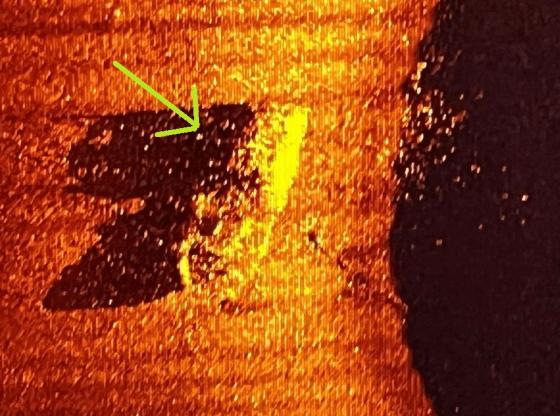

An expedition team has discovered the underwater wreckage of the Quest, a ship chartered by the famous explorer Ernest Shackleton, according to The New York Times.
The team, led and funded by the Royal Canadian Geographical Society, found the wreckage this month in the icy waters off Canada’s Atlantic Coast. They scanned the ocean floor for 17 hours using sonar equipment.
Grainy sonar footage revealed the shipwreck, showing the vessel sitting upright on the seafloor near Newfoundland and Labrador. “Very quickly you could see it was Quest,” said Society CEO and expedition leader John Geiger. “The vessel is intact. It’s sitting on its keel, the mast is down, and you can see it on the seafloor.”
Historical Significance
Shackleton initially anchored the ship near South Georgia Island in the South Atlantic Ocean. He planned to explore a portion of Antarctica but died of a heart attack in the ship’s cabin. The Quest continued in service for many years until it was damaged by ice and sank near Newfoundland and Labrador in 1962.
Shackleton is best known for his journey on the Endurance, which became trapped in Antarctic sea ice in 1914. After the ship started sinking, Shackleton and his crew survived on an ice floe for several months before reaching safety. In 2022, another expedition team found the Endurance wreckage in the Weddell Sea, about 10,000 feet underwater.
Modern Technology in Maritime Discoveries
The discovery of both the Endurance and the Quest highlights how modern technology, such as sonar imaging and underwater drones, has made finding shipwrecks easier and more affordable. This advancement suggests that many more shipwrecks could be discovered, ushering in a new age of maritime exploration.