


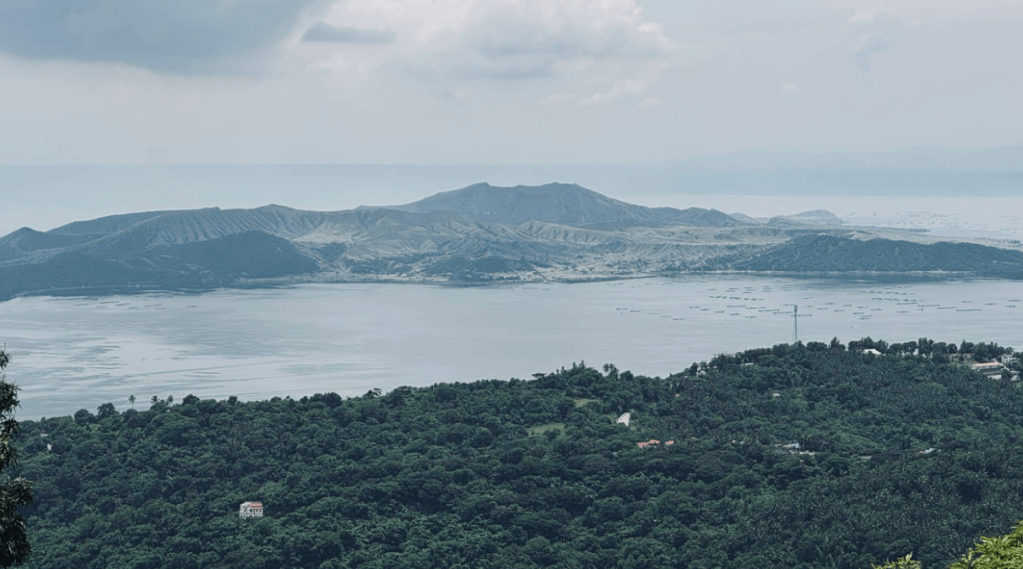
MANILA, Philippines — Taal Volcano in Batangas province has registered a slight increase in sulfur dioxide (SO₂) emissions, although seismic activity around the volcano remains generally low, the Philippine Institute of Volcanology and Seismology (PHIVOLCS) reported.
PHIVOLCS data show that sulfur emissions from the volcano have ticked up compared with previous readings, signaling ongoing degassing beneath the Taal Main Crater. Despite this rise in gas output, the number of volcanic earthquakes and tremors has stayed at low levels, indicating no significant uptick in underground volcanic unrest.
The volcano continues to be closely monitored under Alert Level 1, which reflects low‑level volcanic unrest without signs of imminent eruption. At this alert status, the public is advised that Taal remains in an abnormal condition, and the possibility of sudden steam‑driven activity cannot be ruled out even when seismicity appears calm.
Sulfur dioxide is a key parameter for monitoring volcanic activity because changes in its emission can point to shifts in the movement of heat and gas beneath the surface. A slight increase does not necessarily mean a major eruption is coming, but scientists will continue to watch for other indicators such as ground deformation and stronger seismic events.
Residents and visitors near Taal are reminded to stay informed through official advisories from PHIVOLCS and local authorities, especially if conditions change.