


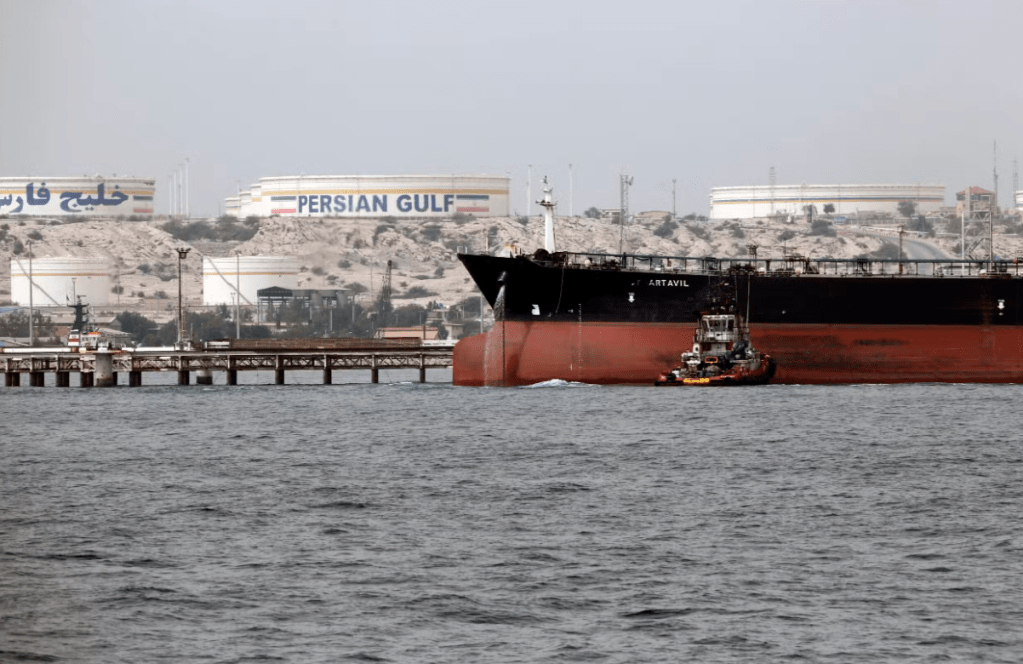
WASHINGTON D.C. / MANILA, Philippines — In a dramatic escalation of geopolitical tensions, U.S. President Donald Trump has issued a direct military threat against Iran’s primary oil export hub, Kharg Island, should the Islamic Republic refuse to finalize a new nuclear and security agreement.
The warning, delivered via social media and later echoed in a briefing on Monday, March 30, marks one of the most explicit threats to Iran’s economic lifeline since the start of the current Middle East crisis.
Kharg Island handles roughly 90% of Iran’s crude oil exports. A strike on the facility would effectively cripple the Iranian economy and send shockwaves through the global energy market, which is already reeling from supply constraints and price spikes.
“If they don’t want a deal, and a very fair deal for the world, then we have no choice but to obliterate Kharg Island,” Trump stated. “We want peace, but we will not allow the world’s most dangerous regime to have the world’s most dangerous weapons.”
The Trump administration is reportedly pushing for a comprehensive treaty that goes beyond the previous 2015 nuclear pact. The new “deal” sought by Washington reportedly includes:
- Permanent cessation of all uranium enrichment.
- Unrestricted access for international inspectors to all military and civilian sites.
- A total halt to Iran’s ballistic missile program.
- The end of financial and military support for regional proxy groups.
The threat sent immediate ripples through international markets. Crude oil prices, which have already seen significant increases this month, surged further following the announcement. In the Philippines, the Department of Energy (DOE) is closely monitoring the situation, as any disruption at Kharg Island would likely lead to a new round of domestic pump price hikes.
Tehran has so far remained defiant, with Iranian officials dismissing the threat as “psychological warfare.” Meanwhile, European and Asian allies have expressed “grave concern” over the potential for a full-scale regional war, urging both sides to return to the negotiating table without preconditions.
U.S. Secretary of State Michael Waltz clarified that while the administration prefers a diplomatic solution, “all options, including the total neutralization of Iran’s energy infrastructure, are firmly on the table” if Tehran continues its current trajectory.
As the deadline for a potential agreement looms, the world remains on edge, watching whether this “maximum pressure” tactic will lead to a breakthrough or a catastrophic conflict.