
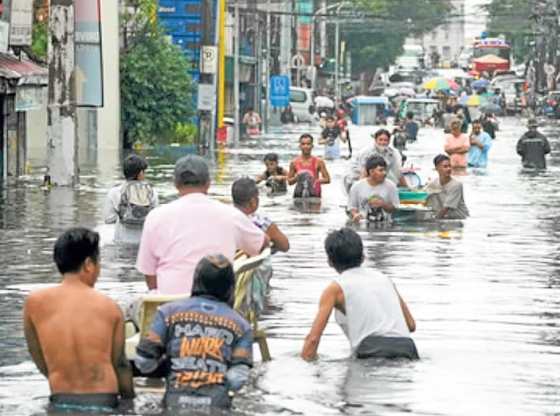

A new study from the University of the Philippines has identified recurring storm patterns in the Philippines that could significantly enhance disaster preparedness and response strategies nationwide. The research, which analyzed decades of typhoon and tropical cyclone data, reveals consistent trends in storm behavior that may help authorities better anticipate impacts and allocate resources more effectively.
Researchers found that certain regions of the Philippines experience predictable variations in storm frequency and intensity, linked to seasonal and climatic factors. These insights can inform government planning at both national and local levels, particularly in regions that are repeatedly affected by destructive weather events. The study emphasizes the importance of historical storm patterns as a tool for shaping early warning systems and community readiness programs.
According to the research team, understanding how and when storms gain strength or change direction can improve evacuation planning, infrastructure protection, and risk communication to vulnerable populations. By integrating pattern analysis into existing disaster risk reduction frameworks, officials can refine response timelines and reduce the human and economic toll of typhoons.
The UP study also highlights the value of combining scientific data with community-level knowledge to ensure that disaster response measures are culturally sensitive and locally relevant. Researchers urged continuous data collection and collaboration with government agencies, local governments, and civil society organizations to maximize the practical application of their findings.
Officials welcomed the study’s recommendations, noting that enhanced predictive capacity is critical as the Philippines continues to face one of the highest rates of tropical storms in the world. The new findings aim to strengthen resilience and save lives by making disaster response more proactive and data-driven.