


TAGBILARAN CITY – A U.S. policy tweak that’s slamming the door on federal student loans for advanced nursing degrees has Filipino lawmakers on edge, with Bohol Rep. Kristine Alexie Besas Tutor firing off urgent calls for a national huddle to shield the archipelago’s army of overseas nurses from the fallout. As America grapples with its own healthcare crunch, the move could ripple back to Manila, dimming career paths for thousands of Pinoy professionals who power the global nursing pipeline.
The culprit? A fresh ruling from the U.S. Department of Education stripping nursing from its roster of “professional degree” programs eligible for federal aid. It’s a blow aimed at graduate-level studies – think master’s or doctoral tracks – but it spares basic licensure and on-the-job practice. Still, Tutor warns it could crimp the upward mobility of Filipino nurses eyeing higher rungs in the States, where better pay and prestige await those with advanced creds. “This is a potential threat to their careers,” the third-district solon declared, her voice laced with the empathy of a fellow licensed physical therapist who’s seen the grind firsthand.
Tutor, who helms the House Committee on Globalization and the World Trade Organization, isn’t waiting for the ink to dry. She’s rallying a dream team of agencies – the Professional Regulation Commission, Commission on Higher Education, Department of Foreign Affairs, Department of Migrant Workers, and Department of Trade and Industry – to dissect the “highly technical” implications. Top of the list: How might this snag the status, job prospects, and professional nods for Filipino nurses already stateside or plotting their move? “We need a unified national position as soon as possible,” she insisted, framing it as a matter of safeguarding the 106,000-strong nurse shortage back home, per Department of Health tallies, that’s only worsened by the brain drain abroad.
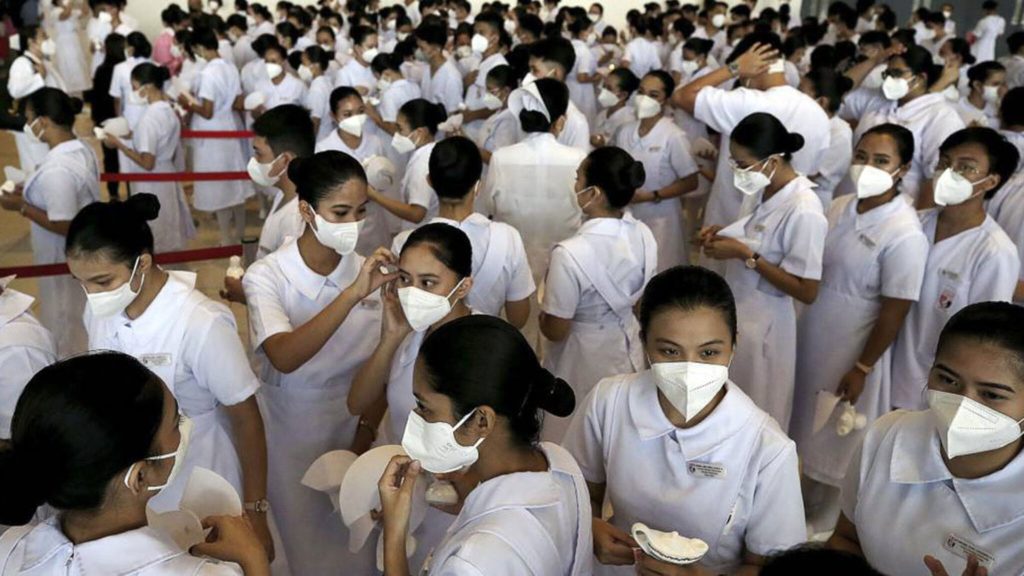
The ripple effects hit hard in a nation where nursing schools churn out grads like clockwork, many bound for U.S. hospitals hungry for skilled hands. Fil-Am nurses have already pushed back stateside, as reported in a related Inquirer piece, decrying the shift as a shortsighted squeeze on an industry begging for more expertise amid aging boomers and pandemic scars. For the Philippines, it’s personal: These overseas earners send home remittances that prop up families, while their exodus leaves local wards understaffed. Tutor’s plea? A coordinated counterpunch to keep doors open and dreams intact.
Reaching out to the Philippine Nurses Association, nursing academies, and the vibrant Fil-Am nursing diaspora, Tutor pledged Congress’s full arsenal. “As a licensed physical therapist, I stand with all Filipino nurses,” she affirmed. “We’re ready to extend policy support and legislative action if needed.” It’s a vow that echoes louder as midterm elections loom, blending compassion with calculated clout in a chamber where health worker woes have long simmered.
For now, the U.S. gears up for debates on the policy’s merits – or misfires – but in Bohol’s halls and beyond, the alarm bells are ringing. Will Manila’s multi-agency probe yield a swift shield, or will this loan lockdown leave Filipino scrubs sidelined? As Tutor put it, the stakes are sky-high: Not just for individual careers, but for a healthcare lifeline that spans oceans.