

BACOLOD CITY, Philippines — Six of the 19 people killed in a violent April 19 encounter in Toboso, Negros Occidental, were civilian peasant advocates and community organizers, directly contradicting the military’s claim that all casualties were active combatants. A newly concluded National Fact-Finding and Solidarity Mission (NFSM) has uncovered alarming evidence pointing to possible human rights violations and a potential cover-up.
The Armed Forces of the Philippines (AFP) has steadfastly maintained that the “Toboso 19” died during a legitimate, high-stakes tactical encounter between the Philippine Army’s 79th Infantry Battalion and remnants of the New People’s Army (NPA).
During a press briefing in Bacolod City, Karapatan deputy secretary general Sol Taule identified the six civilian casualties based on extensive witness testimonies gathered on-site:
- RJ Nichole Ledesma (Community journalist and Altermidya Network coordinator)
- Alyssa Alano (University of the Philippines student leader)
- Errol Wendel
- Maureen Santuyo
- Lyle Prijoles
- Kai Sorem
Note: Initial reports from local groups also indicated that the casualties included two Filipino-American activists who were visiting the area.
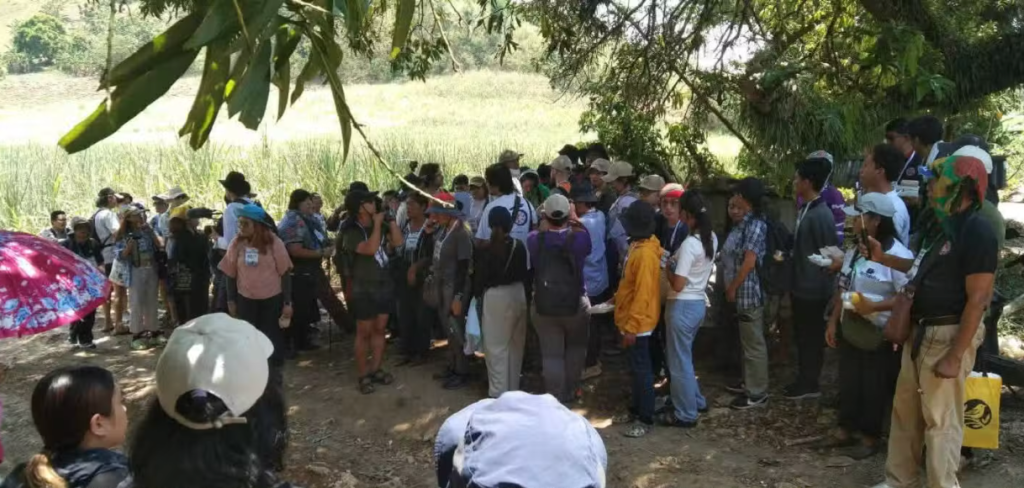
The mission—which deployed more than 100 human rights advocates, Makabayan lawmakers, church workers, and legal activists to Sitios Sinugmawan and Plaringding in Barangay Salamanca—documented multiple inconsistencies at the site:
1. Evidence Tampering and Body Mishandling
The NFSM stated there is a “high probability” that the crime scene was structurally tampered with and that evidence may have been planted. Photos from the immediate aftermath showed some victims lying flat on their backs. Furthermore, renowned forensic pathologist Dr. Raquel Fortun reportedly flagged wound patterns requiring deep reconstruction, noting that several victims sustained gunshot wounds to their backs and sides. The mission also documented the mishandling of remains, including the accidental or intentional switching of Errol Wendel’s body with another victim.
2. Militarization of the Community
Citing sworn eyewitness accounts from local farmers, the mission alleged that government forces committed severe breaches of International Humanitarian Law (IHL) prior to the clash:
- Soldiers allegedly occupied civilian homes to use as active military encampments.
- Residents faced systematic harassment, interrogation, and strict restrictions on their daily farming activities.
- Troops reportedly fired indiscriminately near residential structures, executed illegal detentions, and used a local farmer as a human shield.
3. Intimidation of the Mission
Even the conduct of the fact-finding mission faced friction. While delegates were paying a courtesy call at the Barangay Salamanca hall, at least five unidentified individuals were observed openly filming and taking photos of the human rights advocates, raising immediate concerns over state-backed surveillance and intimidation.
The fallout from the encounter has triggered widespread condemnation and calls for systemic legal action from multiple sectors:
“The mission strongly condemns these deplorable acts, alongside the military’s continued denial of massacring noncombatants.” — Sol Taule, Karapatan Deputy Secretary General
Kristina Conti of the National Union of People’s Lawyers (NUPL) emphasized that the findings indicate severe violations of Philippine domestic law and IHL, highlighting that some victims did not die instantly from combat but bled to death due to a lack of medical intervention.
Concurrently, ACT Teachers Representative Antonio Tinio and the Commission on Human Rights (CHR) are calling for an immediate, independent investigation. Civil groups are using the tragedy to pressure the government into reviving frozen peace talks with communist rebels to address the deep-rooted socio-economic causes of the armed conflict in Negros, which has already displaced over a hundred local families.