

As the Lenten season reaches its peak, kitchens across Mindanao are filled with the sweet aroma of tubers, coconut milk, and sago, marking the annual return of the region’s most beloved Holy Week staple: Binignit.
While the rest of the country observes various fasting traditions, for many families in Southern Philippines, the preparation and sharing of this warm, viscous dessert-soup is a fundamental part of the Good Friday ritual. Beyond being a simple meal, Binignit serves as a culinary bridge that connects generations, blending indigenous ingredients with the somber atmosphere of the religious holiday.
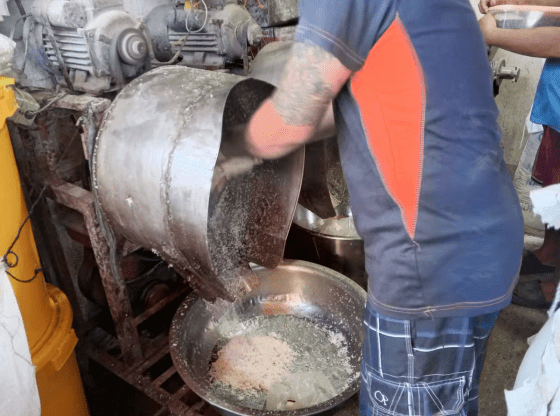
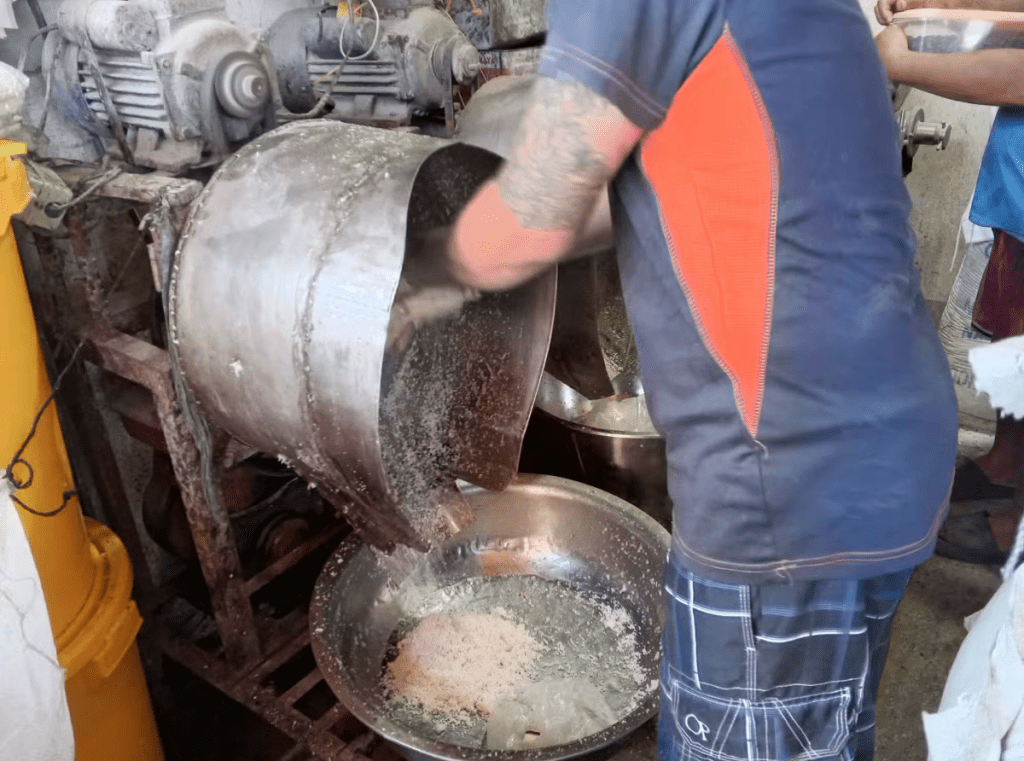
Binignit is a complex medley of flavors and textures. Unlike its Tagalog cousin, bilu-bilo, the Mindanao version is characterized by its use of “landang” (processed palm flour jelly balls) and a specific combination of local tubers including “gabi” (taro), “uwait” (purple yam), and “kamote” (sweet potato).
Slices of “saba” banana and “jackfruit” (nangka) add a fruity sweetness, while the base of freshly squeezed coconut milk and muscovado sugar provides a rich, earthy depth. The result is a hearty, meat-free dish that adheres to the Catholic Lenten fast while providing enough energy for devotees participating in long processions or the Via Crucis.
The preparation of Binignit is rarely a solitary task. In many Mindanaoan households, the “pag-hiwa” (slicing) of the ingredients is a family affair, often involving neighbors and extended kin.
“We start preparing the ingredients as early as Holy Wednesday,” shared a resident from a coastal town in Davao. “By Good Friday, we cook a massive pot to ensure there is enough to share with those who pass by our house after the afternoon service.” This practice of “hatud-hatud” (sharing food) reinforces the communal spirit of the season, where even those with very little find a way to offer a bowl to others.
The demand for Binignit ingredients creates a noticeable surge in local public markets during Holy Week. Vendors in major hubs like Cagayan de Oro, Zamboanga, and General Santos City report that prices for gabi and saba often see a slight uptick as families scramble to secure the freshest produce.
Market stalls are often dominated by “Binignit kits”—pre-packed bundles containing all the necessary dry ingredients, from sago pearls to landang, catering to busy urban dwellers who still wish to maintain the tradition. For local farmers, the Holy Week “Binignit rush” provides a significant seasonal boost to their income.
While some critics argue that the focus on food can distract from the somber nature of Good Friday, church leaders in Mindanao often view it differently. They see the preparation of Binignit as a form of “domestic liturgy”—a way for families to gather in prayerful labor.
The simplicity of the ingredients—all sourced from the earth—serves as a reminder of the humble life and sacrifice of Christ. For many, a bowl of Binignit is the taste of home, a comforting constant in an ever-changing world.
As younger generations of Mindanaoans move to the cities or abroad, the tradition of cooking Binignit remains a powerful tether to their roots. Social media is often flooded with photos of homemade pots of the dessert, accompanied by captions of nostalgia and regional pride.
Whether enjoyed hot under the midday sun or chilled as a late-afternoon snack, Binignit remains the undisputed queen of the Mindanaoan Lenten table—a sweet reminder that even in a time of mourning, there is a place for community, nourishment, and shared heritage.