

Archaeologists in Peru have unveiled the remains of a 3,500-year-old city named Peñico, believed to have been a key trade hub connecting the Pacific coast, the Andes, and the Amazon.
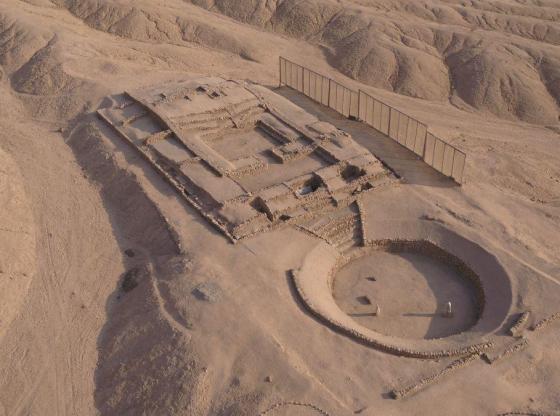
Located in the northern province of Barranca, Peñico sits roughly 600 meters above sea level and features a central circular structure surrounded by stone and mud buildings. It dates back to between 1,800 and 1,500 BC and was discovered near the site of the Caral civilization—the oldest known civilization in the Americas, dating back 5,000 years.
Ruth Shady, the lead archaeologist on the project, said Peñico may have risen following the decline of Caral, which researchers believe was devastated by climate change. The strategic location of Peñico made it an ideal hub for cultural and economic exchange among coastal, highland, and jungle communities.
According to archaeologist Marco Machacuay from Peru’s Ministry of Culture, Peñico represents the cultural continuation of Caral. After eight years of research, the team has identified 18 structures, including ceremonial temples, residential buildings, and a central plaza decorated with sculptural reliefs.
Among the most striking finds are images of the pututu, a conch shell trumpet used in ceremonial rituals. The site also yielded clay sculptures, ceremonial items, and bead-and-shell necklaces, suggesting rich cultural practices.
This discovery reinforces Peru’s status as a treasure trove of ancient civilizations, alongside world-famous archaeological sites like Machu Picchu and the Nazca Lines.