


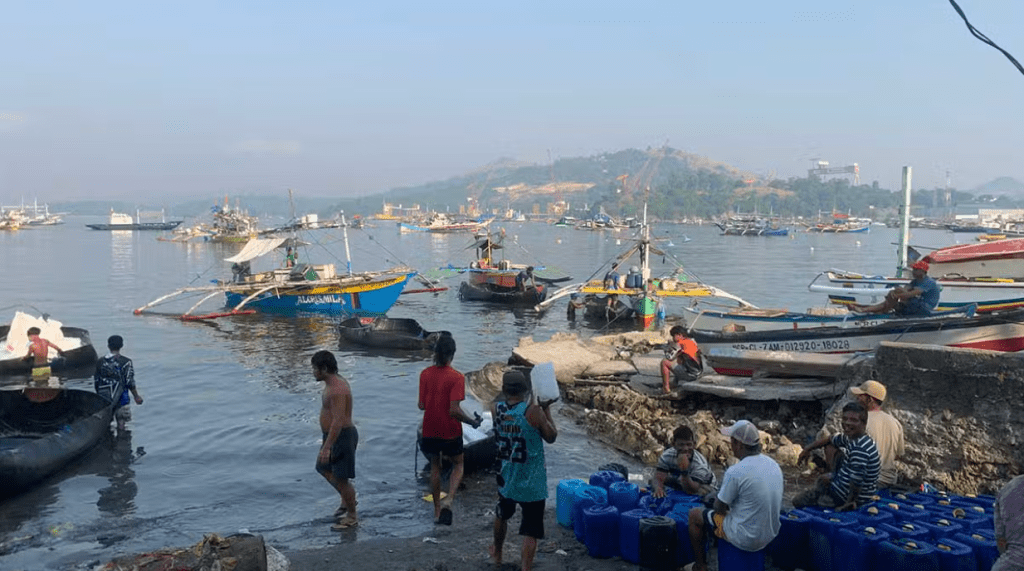
SUBIC BAY, Philippines — Local fisherfolk and maritime operators are being advised to brace for temporary restrictions as the Philippine-United States Balikatan 2026 military exercises prepare to move into high gear. Large portions of the waters off Subic, Zambales, and surrounding coastal areas will be designated as “no-sail zones” to ensure safety during live-fire drills and large-scale amphibious maneuvers.
The restrictions, announced by maritime authorities on Sunday, April 19, are part of the broader security protocols for the annual “shoulder-to-shoulder” exercises, which involve thousands of troops from both nations.
To accommodate the complexity of the 2026 drills—which include advanced maritime strike simulations—the following measures will be implemented:
- No-Sail Zones: Specific coordinates in the West Philippine Sea, particularly those facing the Subic Bay area, will be off-limits to civilian vessels, including commercial fishing boats and tourism charters.
- Flight Disruptions: Low-altitude flight paths over parts of Central Luzon will also be restricted during scheduled air-to-surface missile tests.
- Duration: The restrictions are expected to be enforced intermittently over the next two weeks, peaking during the “centerpiece” maritime defense simulations.
The announcement has sparked concern among local fishing communities in Zambales and Bataan, who rely on these waters for their daily catch.
- Livelihood Displacement: Fishermen’s groups have raised alarms over the loss of income during the peak fishing season.
- Safety First: Balikatan organizers emphasized that the closures are a “non-negotiable safety requirement” given the use of live munitions and high-speed naval assets.
- Coordination with LGUs: The Philippine Coast Guard (PCG) and local government units are working to establish “alternative fishing lanes” where possible, though many traditional grounds will remain inaccessible for the duration of the drills.
The choice of Subic as a focal point for the 2026 exercises underscores its strategic importance. The drills this year are reportedly focused on:
- Integrated Coastal Defense: Testing the ability of joint forces to repel potential seaborne incursions.
- Maritime Domain Awareness: Utilizing advanced surveillance drones and radar systems to monitor large swaths of the exclusive economic zone (EEZ).
- Logistics Readiness: Utilizing the deep-water harbor of Subic for rapid deployment and refueling of allied naval vessels.
The 2026 Balikatan comes amid heightened regional tensions and a focus on “multilateralism,” with several observer nations from the ASEAN and EU regions attending. While the Philippine government maintains the exercises are purely for defense capacity building, the maritime restrictions serve as a physical reminder of the country’s deepening military alliance with the United States.
Authorities have urged all maritime stakeholders to monitor daily “Notice to Mariners” (NOTAM) updates issued by the PCG to avoid accidental entry into restricted zones.