

CEBU, Philippines — Consumers in Central Visayas (Region VII) are enduring the steepest cost-of-living increases in the country. The latest data from the Philippine Statistics Authority (PSA) reveals that the region has overtaken all others to become the most expensive area in the Philippines due to localized economic shocks and global disruptions.
PSA Regional Director Wilma Perante presented the alarming inflation report on May 13, showing that Central Visayas’ headline inflation skyrocketed to a staggering 10.8% in April 2026, up sharply from 7.4% in March.
The regional surge follows a massive national upward trend, though Central Visayas remains significantly higher than the national baseline.
- National vs. Regional Gap: The Philippines’ annual headline inflation jumped to 7.2% in April 2026 (up from 4.1% in March). Central Visayas bypassed this national average by 3.6 percentage points, logging the highest rate among all 18 administrative regions, closely followed by the Caraga region at 10.2%.
- Historic Month-on-Month Jump: Nationally, the Consumer Price Index (CPI) climbed 2.6% month-on-month—marking the largest single-month jump since January 1996.
- Exceeding Projections: The recorded inflation figures completely blasted past the central bank’s conservative monthly forecast of 5.6% to 6.4%.
The impact of inflation is not distributed evenly across the region, with urbanized trade centers and island dynamics heavily dictating the price hikes:
| Province / Highly Urbanized City (HUC) | April 2026 Inflation Rate | Core Drivers & Context |
|---|---|---|
| Cebu Province | 12.9% | The highest rate in the region; heavily impacted by inter-island shipping costs. |
| Lapu-Lapu City | 11.4% | Steep fuel-to-service pass-through effect impacting commercial zones. |
| Mandaue City | 10.7% | Logistics and industrial manufacturing overhead constraints. |
| Cebu City | 9.4% | High food and service costs, slightly offset by dense retail competition. |
| Bohol Province | 7.2% | Lowest in the region; maintains a relatively stable local supply environment. |
Statistical analysts and economists, including senior research fellow Ser Percival Peña-Reyes of Ateneo de Manila University, attribute the region’s intense vulnerability to its specific geography and reliance on external markets.
The primary inflation triggers include:
- Soaring Fuel Costs (21.4% Transport Inflation): Driven heavily by ongoing geopolitical conflicts in the Middle East, global oil price increases hit Central Visayas hard. Local diesel prices surged by 109.1%, while gasoline grew by 56.2%.
- The “Island Pass-Through” Effect: As an archipelagic island economy, Central Visayas is critically dependent on inter-island shipping and imported fuel. Spikes in maritime transport fuel automatically trigger a structural inflation premium, instantly raising the costs of incoming food, trade goods, and construction materials.
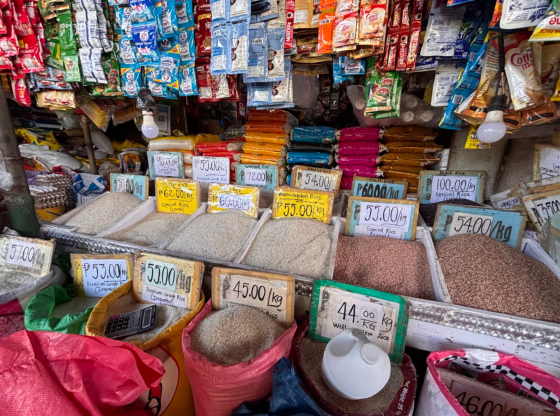
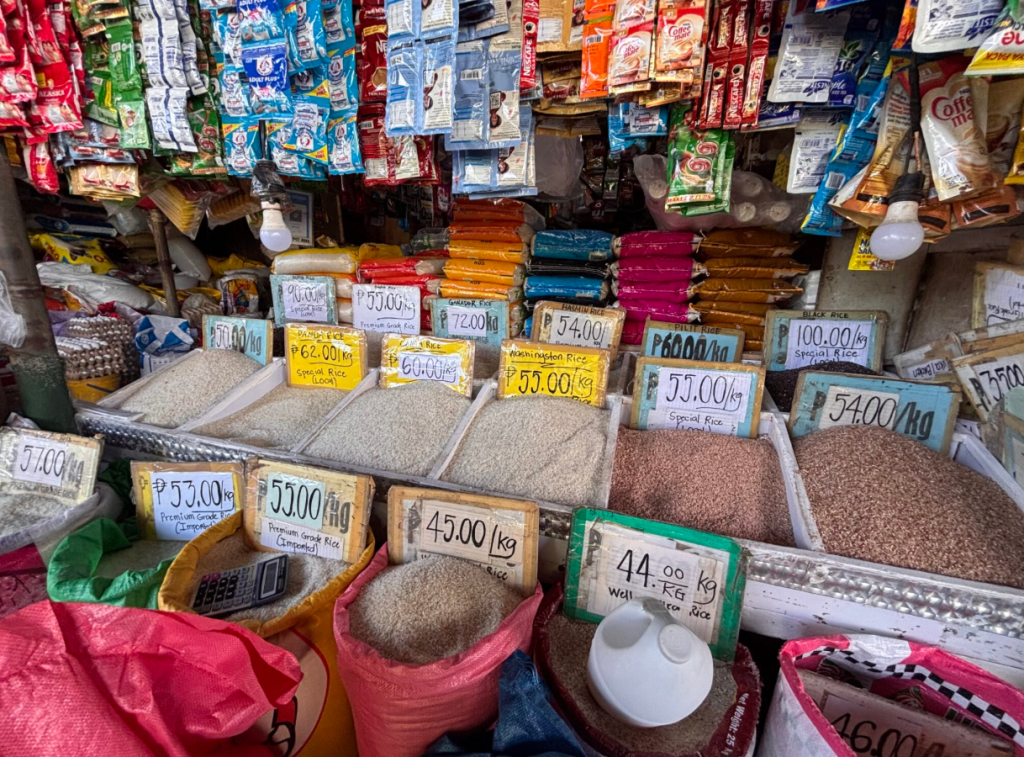
- Food Supply Friction (6.0% Food Inflation): Food costs accounted for 47.2% of the total overall inflation increase in April. While the national average for a kilo of well-milled rice dipped slightly to ₱58.33 in early May, local food distribution networks remain strained.
- Utilities and Housing (8.2% Utility Inflation): Electricity generation, gas, water, and housing expenses accelerated rapidly from 4.2% in March to 6.0%–8.2% in April due to fossil-fuel dependence.
Economists warn that Central Visayas is actively flashing signs of stagflationary pressure—a dangerous economic mix of slow economic growth, high unemployment, and rapidly rising prices. Because its main economic drivers are heavily consumption- and tourism-led, operating costs are threatening to choke consumer demand.
To achieve a “soft landing,” financial experts state the region must urgently diversify away from service reliance by expanding higher-productivity industries like IT-BPM, digital services, and advanced semiconductor support manufacturing. Additionally, local government units are being urged to modernize provincial ports, streamline customs, and reinforce local cold-chain logistics to permanently lower the region’s structural transit premium.