
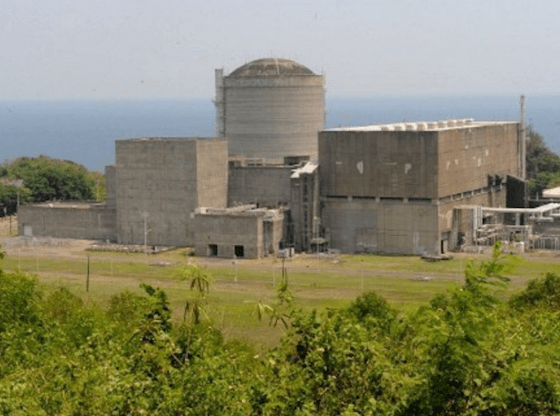


MANILA – Catholic bishops from Pangasinan and Nueva Ecija have united in a strong call against the Philippine government’s proposed nuclear power plant in Alaminos, Pangasinan, urging a pivot to renewable energy sources amid the country’s vulnerability to typhoons and earthquakes. In a joint statement released on December 6, 2025, the religious leaders invoked Pope Francis’ encyclical Laudato Si’ to emphasize environmental stewardship, warning that the risks of nuclear energy far outweigh its benefits in a disaster-prone nation.
The bishops, including those from the dioceses of Lingayen-Dagupan, Urdaneta, Cabanatuan, and Malolos, framed their opposition as a moral imperative, drawing parallels to the 2011 Fukushima disaster and the lingering scars of atomic devastation experienced by Japanese clergy. “These realities compel us to exercise extreme caution and prudence when considering energy sources that carry irreversible, long-term risks,” they stated. “The long-term consequences of nuclear accidents and waste management pose a threat that overrides the perceived short-term benefits of this energy source. We must heed this warning.”
Project Background and Concerns
The proposed plant, eyed for Alaminos City in western Pangasinan, represents a revival of nuclear ambitions in the Philippines, dormant since the mothballed Bataan Nuclear Power Plant (BNPP) in the 1980s. Proponents, including the Department of Energy (DOE), argue it could provide baseload power to meet growing demands, with initial studies suggesting a 1,200-megawatt facility. However, critics highlight the region’s seismic activity – Pangasinan sits near the Manila Trench – and frequent typhoons like the recent Uwan, which ravaged Luzon in November 2025, leaving over 100 dead and billions in damages.
The church leaders decried the project’s potential for catastrophe: “A nuclear disaster would harm lives, livelihoods, and the economy.” They pointed to irreversible radioactive waste and the archipelago’s geography as non-negotiables, urging officials to invest in solar, wind, and geothermal – resources the Philippines boasts in abundance. “Pangasinan is not ours. We owe future generations to keep Pangasinan safe from the disaster of a nuclear catastrophe. The risks are greater than the benefits.”
Calls to Action
The statement implored government officials, policymakers, and the public to “choose the path of prudence and sustainability.” It called for immediate redirection of resources toward renewable infrastructure that ensures “safety, resilience, and true long-term development.” The bishops also rallied behind Laudato Si’, Pope Francis’ 2015 plea for ecological conversion, positioning the fight against nuclear revival as a faith-driven stand for the common good.
The DOE has yet to respond to the bishops’ letter, but environmental groups like the Nuclear Free Bataan Movement echoed the sentiment, vowing protests if plans advance. As the holiday season unfolds with its themes of peace and renewal, the clergy’s clarion rings resonant: In a land of quakes and storms, true power lies not in atomic might, but in mindful momentum toward a greener tomorrow.