
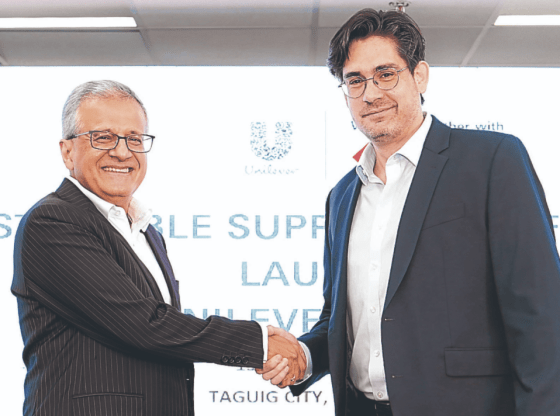

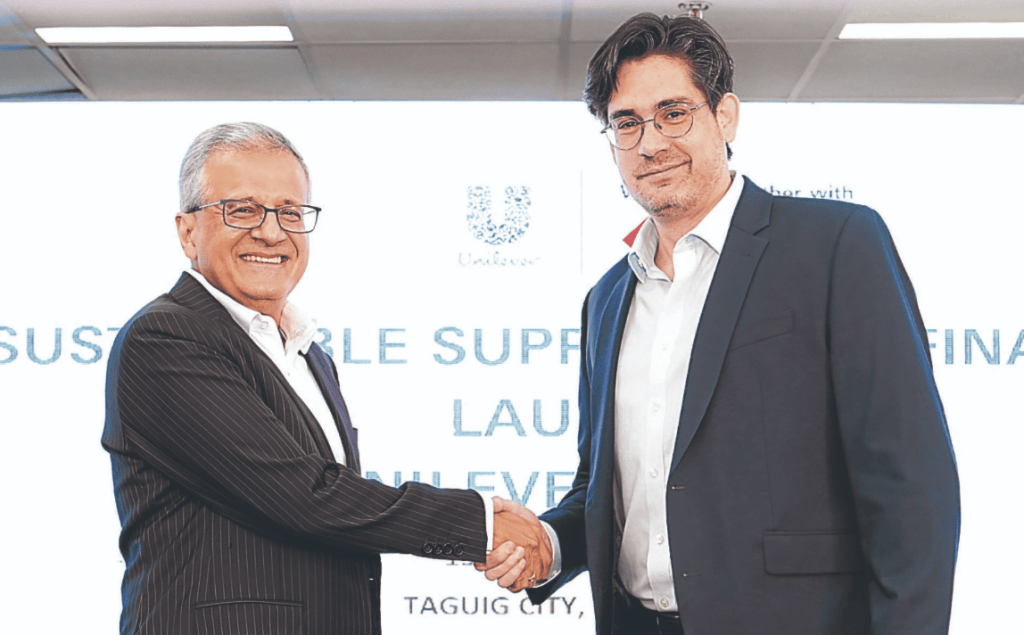
MANILA – In a landmark move blending finance with environmental stewardship, HSBC Philippines and Unilever Philippines sealed a sustainable supply chain finance program on December 7, 2025, where suppliers’ borrowing rates are directly tied to their sustainability performance, slashing costs for those who go green and accelerating the shift toward eco-friendly operations. The initiative, which rewards top-rated suppliers with preferential financing from HSBC, marks a first for the Philippine market and aligns with Unilever’s ambitious Growth Action Plan 2030, targeting net-zero emissions and sustainable livelihoods across its ecosystem.
The program fuses traditional supply chain finance – where large buyers like Unilever pay suppliers early at discounted rates – with performance-based incentives, allowing eligible vendors to access lower-interest loans based on their environmental, social, and governance (ESG) scores. “The procurement standards of large global multinational companies are a huge driver for sustainability, and this is why we are proud to partner with Unilever Philippines on this endeavor,” HSBC Philippines CEO Sandeep Uppal enthused. He highlighted the supply chain’s outsized environmental footprint: “In many industries, it is the company’s supply chain—rather than the company itself—that’s responsible for most environmental impact and therefore, offers the greatest potential for sustainability improvements.”
For Unilever, the tie-up is a cornerstone of its 2030 blueprint, emphasizing climate action, nature preservation, plastic reduction, and livelihood upliftment through strategic alliances. Rodrigo Rivero, Unilever’s Beauty & Wellbeing Greater Asia finance lead and Philippines head of finance, underscored the dual bottom line: “At Unilever, we believe sustainability drives business success. By working together with our financial partners, we’re enabling our suppliers to thrive while advancing our sustainability goals across climate, nature, plastics, and livelihoods. This collaboration reflects our deep commitment to responsible growth and shared value across our ecosystem.”
HSBC, a global trade finance leader, aims to deepen ties with suppliers of multinational giants like Unilever, fostering scaled initiatives for emissions cuts and early-stage education. The bank has pledged $750 billion to $1 trillion in sustainable financing worldwide, positioning this Philippine program as a scalable model for emerging markets.
Implications: A Catalyst for Local Supply Chains
This scheme isn’t just corporate greenwashing – it’s a practical push for Philippine MSMEs, who comprise 99% of businesses and drive 60% of jobs but often lack the capital for sustainable upgrades. By linking rates to ESG metrics (e.g., reduced carbon footprints or ethical sourcing), it incentivizes real change without upfront costs, potentially unlocking billions in green investments. For Unilever’s 1,000+ local suppliers, lower borrowing could mean faster scaling and compliance with global standards, bolstering exports amid ASEAN’s green trade surge.
Critics note challenges like verification hurdles for small vendors, but Uppal countered: “As a leading global trade bank, we understand the critical role of suppliers in achieving the sustainability and decarbonization targets of companies today. We aim to deepen collaboration… supporting suppliers at an earlier stage of emissions reduction with education and incentivization.”
In a nation where typhoons like Uwan expose supply chain frailties, this HSBC-Unilever pact feels like more than finance – it’s fortitude, turning eco-ambitions into actionable assets for a resilient tomorrow.
Program Snapshot:
| Feature | Details |
|---|---|
| Financing Link | Rates tied to ESG performance scores |
| Target Beneficiaries | Unilever suppliers (1,000+ in PH) |
| Global HSBC Pledge | $750B–$1T in sustainable finance |
| Unilever Goal | Net-zero by 2030 via climate/nature focus |