
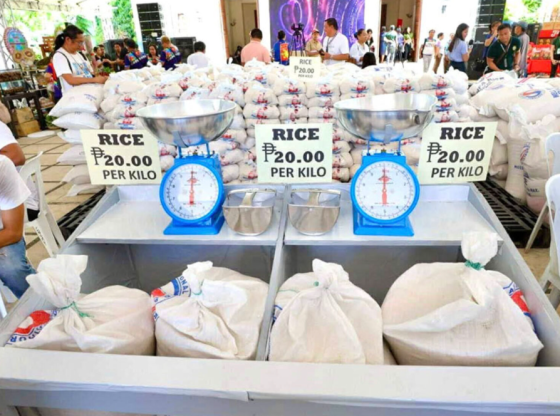

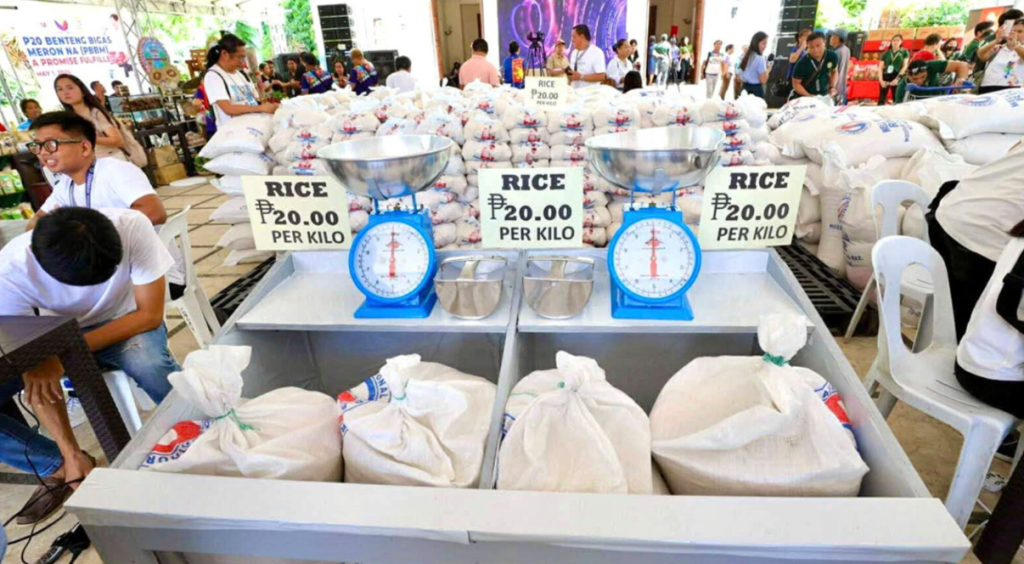
MANILA, Philippines — Following a successful nationwide rollout in all 82 provinces, the Department of Agriculture (DA) announced on Thursday, February 12, 2026, its plan to bring the P20/kilo rice program to every local government unit (LGU) in Metro Manila.
Agriculture Secretary Francisco P. Tiu Laurel Jr. bared the expansion strategy after a high-level meeting with the Metropolitan Manila Development Authority (MMDA) and NCR mayors to streamline the logistics of the affordable rice distribution.
Key Features of the Metro Manila Rollout
- The “Benteng Bigas” Goal: The DA envisions establishing at least five dedicated P20 rice outlets in every LGU across the National Capital Region.
- Timeline: The full-scale urban expansion is slated for completion by the end of March 2026, timed to coincide with the peak harvest season in major rice-producing provinces, which will help stabilize the supply for the program.
- Target Beneficiaries: To ensure the rice reaches those who need it most, the program will prioritize:
- Senior citizens and Persons with Disabilities (PWDs)
- Solo parents
- Pantawid Pamilyang Pilipino Program (4Ps) beneficiaries
- Minimum wage earners and Tricycle Operators and Drivers Association (TODA) members
- Farmers and fisherfolk living within the city.
Logistical Support MMDA Chief Don Artes has pledged the agency’s full support, promising to provide logistical assistance and active monitoring of LGU compliance. “Affordable rice must reach as many Metro Manila families as possible,” Artes stated, emphasizing the shared responsibility between the national and local governments.
Strategic Commitment Secretary Tiu Laurel noted that the expansion is part of the administration’s broader commitment to food security and easing the financial burden on urban poor families amidst global economic fluctuations. By bringing the “Benteng Bigas” outlets directly into neighborhoods, the DA aims to eliminate transport costs for beneficiaries and ensure a direct link between government-subsidized stocks and vulnerable households.
The program’s expansion into the highly populated capital region is seen as a critical test of its sustainability as the government continues to balance subsidized pricing with the actual costs of procurement and distribution.