


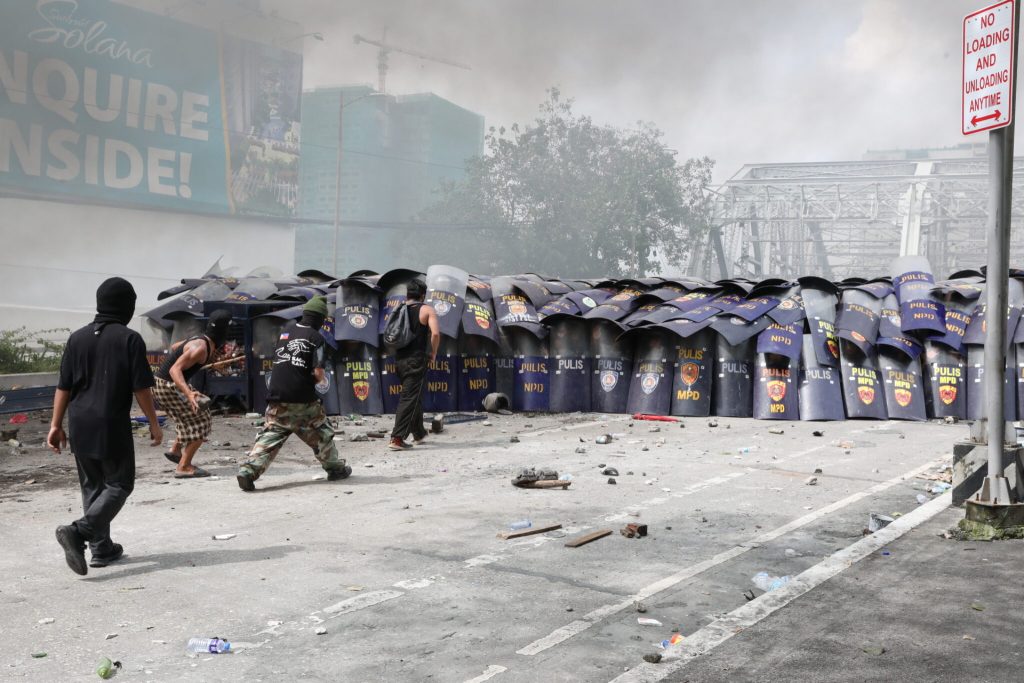
After the major protests on September 21, the CIDG of the Philippine National Police (PNP) began issuing subpoenas to several student and youth leaders, as part of an investigation into the violent incidents that occurred during the rally.
Here’s what we know so far:
- The September 21 protest was initially peaceful but devolved into violent confrontations in certain areas, including in Manila’s Mendiola and Recto Avenue.
- The CIDG is investigating “crimes and violations” committed during the rally — according to police statements.
- Subpoenas have been sent to at least a handful of student-leaders and youth activists to appear before the CIDG for questioning about their alleged roles.
- Rights groups and those subpoenaed say the subpoena power is being misused, describing the actions as “harassment” tactics aimed at discouraging protest and dissent.
- Legal experts remind those who receive subpoenas that while the police may have subpoena power under certain laws (like RA 10973), this does not automatically override constitutional rights — such as the right against self-incrimination and the right to remain silent.
- The subpoena-recipients are urged to seek legal counsel, and they are reportedly under no obligation to answer the subpoenas if it would violate their rights.
Why this matters:
This episode raises major questions about the balance between state power and civil liberties:
- When do protests cross into “riots” or “violent assemblies”, and who determines that?
- How should law enforcement respond to public demonstrations, especially when they turn violent?
- At what point do subpoenas become tools of accountability — or tools of intimidation?
- What protections do young activists, students and protest participants have when they are drawn into investigations?