

MANILA, Philippines — The “diesel double whammy” has moved from a macroeconomic statistic to a heartbreaking household reality for thousands of Filipino families. In a viral story highlighting the human cost of the Peso sliding past ₱60 vs $1, a local jeepney driver has shared his struggle to keep his eldest child in college as diesel prices surge beyond ₱100 per liter in several parts of Metro Manila.
The driver, a veteran of the road for over 20 years, explained that his daily “boundary” and fuel costs now consume nearly 80% of his earnings, leaving less than ₱300 a day to feed a family of five. With the second semester’s tuition fees looming, the dream of a college diploma—once seen as the family’s “ticket out of poverty”—is now under immediate threat.
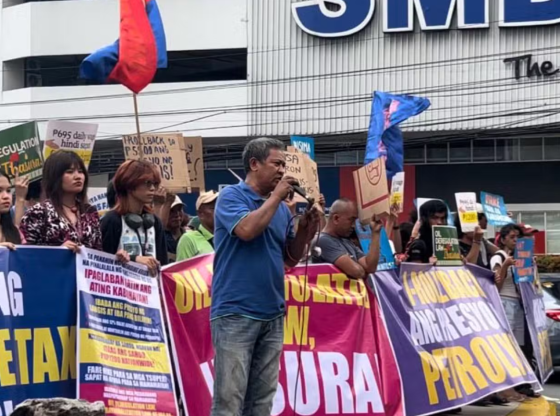
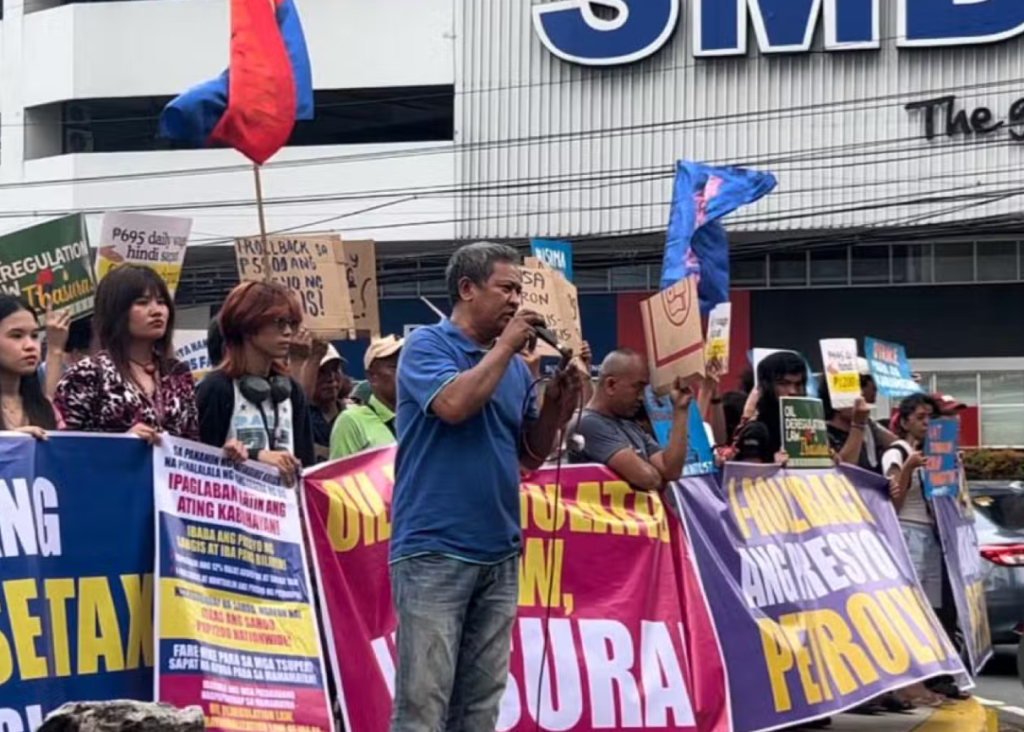
“It’s a choice between the jeepney’s tank and my son’s future,” the driver stated during a gathering of transport workers. “If I don’t fill the tank, I can’t work. But if I fill the tank, there is nothing left for the school. I may have to ask him to stop for a year until the Middle East conflict calms down and the prices drop.”
The Ripple Effect of the Fuel Crisis:
- The Logistics Trap: For public utility vehicle (PUV) drivers, fuel is not just a commodity but a primary operational expense. As global crude prices stay above $100 per barrel, the “income-to-expense” ratio for the transport sector has reached a breaking point.
- Education vs. Basic Needs: The driver’s dilemma reflects a broader national trend where families are forced to deprioritize “long-term investments” like education in favor of immediate survival—food, water, and electricity.
- Inflationary Pressure on Commodities: Because transport costs are baked into the price of every sack of rice and crate of vegetables, the driver’s family is being hit twice: once at the pump and again at the palengke.
- Limited Government Relief: While the administration has announced a ₱21.47-billion relief package and the halving of LRT-2 and MRT-3 fares, many jeepney drivers feel these measures focus on “commuters” rather than the “providers” of transport services.
The story has reignited calls from the House of Representatives and transport groups like PISTON and ACTO for a suspension of the fuel excise tax. Advocates argue that without direct intervention, the “Third Wave” of global inflation will lead to a “lost generation” of students who are forced to drop out due to the high cost of simply moving from one place to another.
The crisis comes as the Amihan season fades and the Easterlies bring hotter weather, increasing the physical toll on drivers who must work longer hours to break even. While the government is pushing for solar-powered irrigation and renewable energy initiatives to solve long-term energy issues, families like the driver’s are struggling to survive the next 24 hours.
As the Holy Week rush approaches, the transport sector remains on edge. For the student caught in the middle, the “road to a degree” has never been more expensive or more uncertain.