
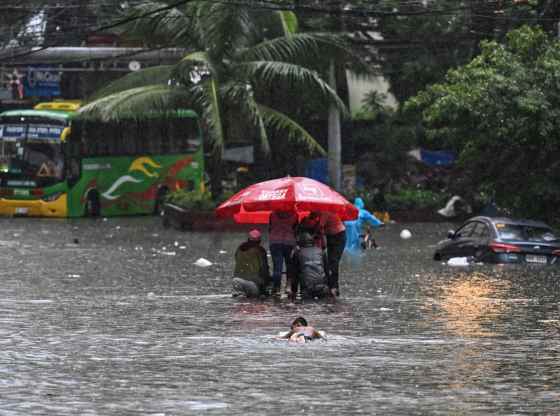

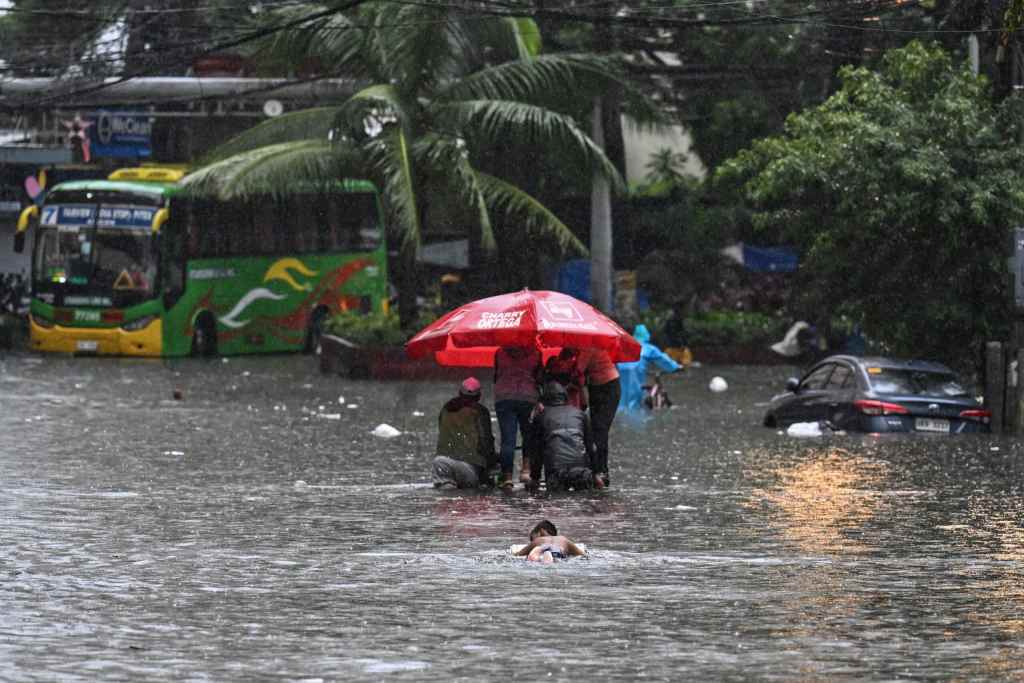
As flooding and storm-surges become increasingly common in the Philippines, experts and lawmakers are pointing to green infrastructure and nature-based solutions as key tools for resilience.
Rather than relying solely on concrete channels and flood walls, new proposals emphasise protecting and restoring natural systems — for example expanding coastal mangrove forests, planting indigenous bamboo species along waterways, and using permeable surfaces that allow rainwater to soak into the ground. As one lawmaker put it, “Grey infrastructure may get the job done, but it cannot absorb rain the way nature can.”
In urban areas, this means integrating rooftop gardens, green open spaces, bioswales and “sponge-city” features—landscapes designed to capture and slowly release stormwater.
Outside the city, restoring wetlands, reforesting upstream lands, and revitalising river channels can reduce runoff, slow the flow of water downstream, and lessen the burden on drainage systems.
Critically, these approaches also emphasise aligning flood-control infrastructure with long-term climate-adaptation planning and meaningful community participation — rather than isolated “quick-fix” projects.
While the upfront cost and planning can be significant, the pay-off is potentially greater: fewer flood-related losses, stronger ecosystems, better urban liveability, and a more resilient Philippines.