
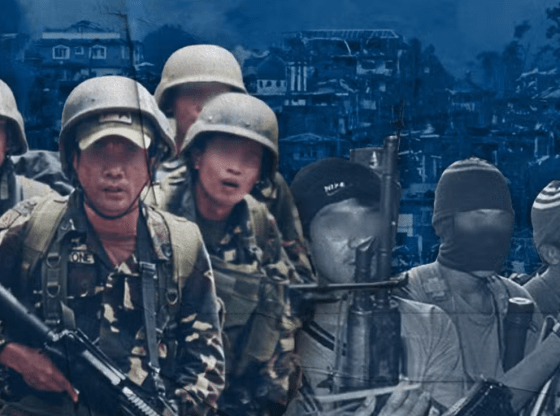


MANILA, Philippines — The Philippines continues to face a significant and recurring threat from terrorism, which not only poses a security challenge but also acts as a major barrier to national development. According to the 2025 Global Terrorism Index (GTI), the country remains one of the most affected nations in the Asia-Pacific region.
Produced by the Sydney-based Institute for Economics and Peace, the GTI provides a long-term assessment of terrorism’s impact based on incidents, deaths, injuries, and hostages over a five-year period.
Key Findings for the Philippines
- Global Ranking: The Philippines ranked 20th out of 163 countries with a score of 5.17 on a 10-point scale (where 10 is the worst).
- Regional Standing: It is the second most impacted country in Southeast Asia, trailing only Myanmar (ranked 11th with a score of 6.93).
- Comparative Trajectories: While neighbors like Thailand (4.63) and Indonesia (4.17) have seen improvements in their security environments, the Philippines continues to record a higher frequency of incidents. In the previous year alone, the country recorded 31 deaths from 22 attacks.
Analysis: Security and Development Dr. Alicor Panao, an Inquirer data scientist and University of the Philippines associate professor, noted that terrorism in the Philippines has become a “recurring security challenge.”
- Public Costs: Persistent instability in key areas raises public costs and discourages foreign investment.
- Complicated Planning: The threat complicates long-term government planning and stalls development in regions most affected by armed conflict.
- Divergence: Panao highlighted that unlike Indonesia, which has successfully reduced Islamist militancy, the Philippines’ security trajectory remains “persistent” despite government efforts.
Government Response The Armed Forces of the Philippines (AFP) reported that a total of 2,306 alleged terrorists and their supporters were “neutralized” in 2025. While the military remains active in its counter-terrorism operations, the GTI report suggests that the underlying impact of these groups continues to be a systemic issue for the nation.
The findings underscore the need for sustained and multifaceted approaches to address both the security and socio-economic roots of terrorism to improve the country’s global standing and foster a more stable environment for growth.