
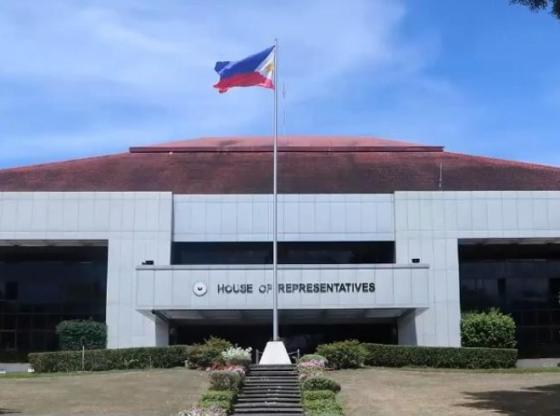

House leaders on Tuesday dismissed accusations that the P26 billion allocation for the Ayuda Para sa Kapos sa Kita Program (AKAP) in the 2025 national budget is a political ploy ahead of the May 2025 elections.
House Deputy Speaker and Quezon Representative Jayjay Suarez defended AKAP, citing data from the Department of Social Welfare and Development (DSWD). Suarez explained that AKAP is designed to assist the “near-poor” sector—families who teeter on the brink of poverty due to sudden crises like illness or economic disruptions.
“Why add malice to AKAP? Families who face challenges often slip into poverty,” Suarez argued, highlighting that government aid typically focuses on the poorest households, leaving the near-poor vulnerable.
House Assistant Majority Leader and Tingog Party-list Representative Jude Acidre echoed Suarez’s stance, describing AKAP as a way to strengthen the purchasing power of working citizens. “The greatest benefit to the state is helping productive citizens,” Acidre stated, noting its similarity to Thailand’s cash assistance program aimed at boosting economic activity.
House Appropriations Committee Vice Chairperson and Ako Bicol Representative Raul Bongalon assured the public that legislators have no influence over AKAP’s implementation. Bongalon emphasized that the DSWD is the sole implementing agency, with social workers verifying beneficiaries. Lawmakers, he clarified, can only identify areas in need of assistance, without involvement in the selection process.
Despite these explanations, opposition lawmakers from the Makabayan bloc criticized AKAP, labeling it a “political tool” that facilitates vote-buying under the guise of financial aid. “Why are funds for health, education, and essential services always reduced?” the bloc questioned.
The opposition urged that AKAP’s allocation be redirected to social services free from political influence.
The 2025 General Appropriations Bill (GAB), ratified on December 11, also faced scrutiny for reallocating funds. This included cuts to the Education Department’s computerization program, citing unspent funds, and the removal of a P74.43 billion subsidy for PhilHealth, given its P600 billion reserve funds.