
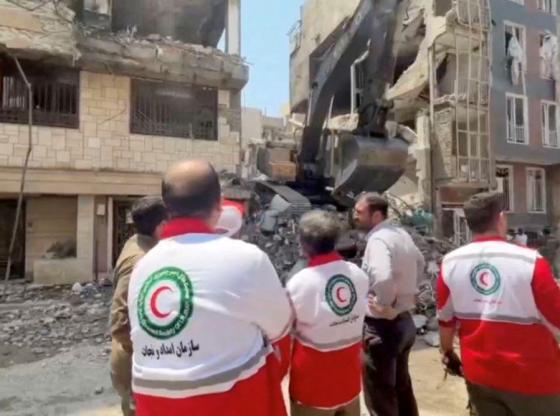

On Saturday, tensions between Israel and Iran erupted into open conflict as the two nations exchanged heavy missile fire and airstrikes. This came after Israel launched an extensive offensive on Friday, targeting Iranian nuclear and military sites and killing top commanders and scientists. Prime Minister Benjamin Netanyahu declared the operation a major blow to Iran’s nuclear ambitions, warning that more intense attacks are imminent.
In Tehran, reports indicated around 60 civilian deaths, including 20 children, following Israeli strikes on residential areas. Israel claimed it hit over 150 targets, while Iran retaliated with approximately 200 ballistic missiles in multiple waves. The violence claimed at least three lives in Israel and caused widespread panic as air raid sirens blared.
Netanyahu dismissed international calls for de-escalation, asserting that the initial attacks were just the beginning. Israeli Defense Minister Israel Katz also warned that continued Iranian aggression would lead to devastating consequences for Tehran.
Iran, vowing retaliation for the assault on its nuclear leadership and infrastructure, threatened to target military bases aiding Israel. Yet, weakened by prolonged conflicts in Gaza and Lebanon, its response capacity remains diminished.
Meanwhile, concerns about a broader regional war have risen. The U.S., backing Israel, assisted in intercepting Iranian missiles, while Gulf nations called for restraint amid soaring oil prices.
Israeli forces reported destroying parts of Iran’s key nuclear sites in Natanz and Isfahan, though Fordow remained untouched. Iran condemned the strikes, insisting its nuclear program is for civilian use under international law. Ongoing nuclear talks with the U.S. are now in jeopardy, with Iranian officials saying negotiations can’t continue during the ongoing assault.