
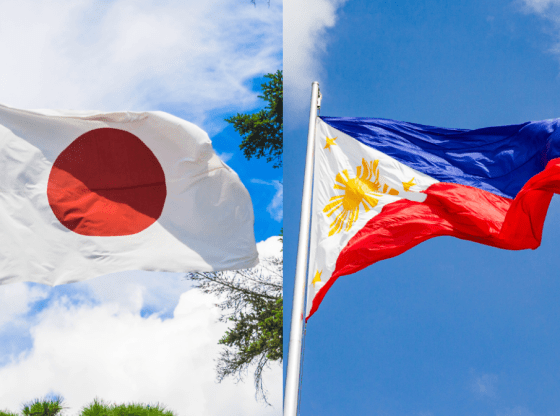


MANILA, Philippines — Pushing bilateral diplomatic ties to an elite tier while locking down critical security guarantees and supply-chain shields, state planners from Manila and Tokyo are setting a massive collaborative agenda. President Ferdinand Marcos Jr. embarks on a high-stakes, four-day state visit to Japan running through May 29, where both nations are prepared to unveil a sweeping array of new defense, trade, investment, and human resource pacts.
The historic trip—marking the first formal state visit by a Philippine president to Japan since 2015—coincides with the monumental 70th anniversary of the normalization of Japan-Philippines diplomatic relations.
The four-day executive mission is designed to transition existing strategic frameworks from paper into active field operations, explicitly reinforcing regional navigation rights:
[President Marcos Embarks on Tokyo State Visit] ──► Meets with Prime Minister Sanae Takaichi │ ▼ (The Strategic Turning Point)[Full Enforcement of Bilateral Pacts] ◄── Direct Push to Activate RAA and ACSA Frameworks │ ▼ [Secures the Logistical Backbone for Joint Frontline Maneuvers]
Department of Foreign Affairs (DFA) Spokesperson Analyn D. Ratonel confirmed that Marcos will hold a crucial bilateral summit with newly elected Japanese Prime Minister Sanae Takaichi. The talks will focus on expanding operational cooperation in the West Philippine Sea and navigating ongoing challenges across the Indo-Pacific region.
The summit marks a major shift in bilateral defense capability, directly catalyzed by Japan’s historic legislative overhaul lifting its post-World War II ban on exporting lethal weapons.
                          [ MILITARY TOKYO SUMMIT TARGETS ]
                                          │
         ┌────────────────────────────────┴────────────────────────────────┐
         ▼                                                                 ▼
   [ LETHAL WEAPONS PROCUREMENT ]                                    [ LOGISTICAL REALIGNMENT ]
   • **Advanced Defense Hardware:** Marcos will explore the direct    • **RAA & ACSA Activation:** Finalizes field operational
     importation of Japanese military assets, including modern          guidelines for the Reciprocal Access Agreement.
     aircraft, sophisticated radar configurations, and missile lines. • **Supply Swapping:** Leverages the Acquisition and Cross-Servicing
   • **Coastal Defense Shields:** Tokyo is actively considering the     Agreement to establish fluid, tax-free supply and service sharing
     early transfer of Type 88 surface-to-ship missile networks.        between the AFP and Japanese Self-Defense Forces.
Beyond front-line defense capabilities, the economic delegation is zeroing in on long-term energy insulation and worker protections to shield the local economy from global market volatility.
| Bilateral Focus Area | Targeted Institutional Mechanism | Projected Strategic Outcome |
| Energy Resource Cushioning | Accessing Japan’s newly launched $10-billion POWERR Asia (Partnership on Wide Energy and Resources Resilience) facility. | Stabilizes domestic oil import chains, secures crude access, and builds out clean renewable energy arrays. |
| Human Resource Security | Signing an upgraded bilateral labor agreement covering Filipino expatriates. | Extends explicit state protections and regulatory coverage to the 340,000 Filipinos working in Japan. |
The visit will feature maximum diplomatic honors, with President Marcos and First Lady Liza Araneta-Marcos scheduled to attend an official welcome ceremony and a formal state banquet hosted by their Majesties, Emperor Naruhito and Empress Masako, at the Imperial Palace.
As the chief executive prepares to pitch the country’s high-growth sectors directly to Japanese business conglomerates, foreign policy analysts note that the Tokyo summit acts as an essential security anchor. By transforming the Philippines into a co-developer of defense equipment and linking directly into regional energy safety nets, the administration is ensuring that the country’s economic sovereignty remains firmly protected against shifting geopolitical currents.