

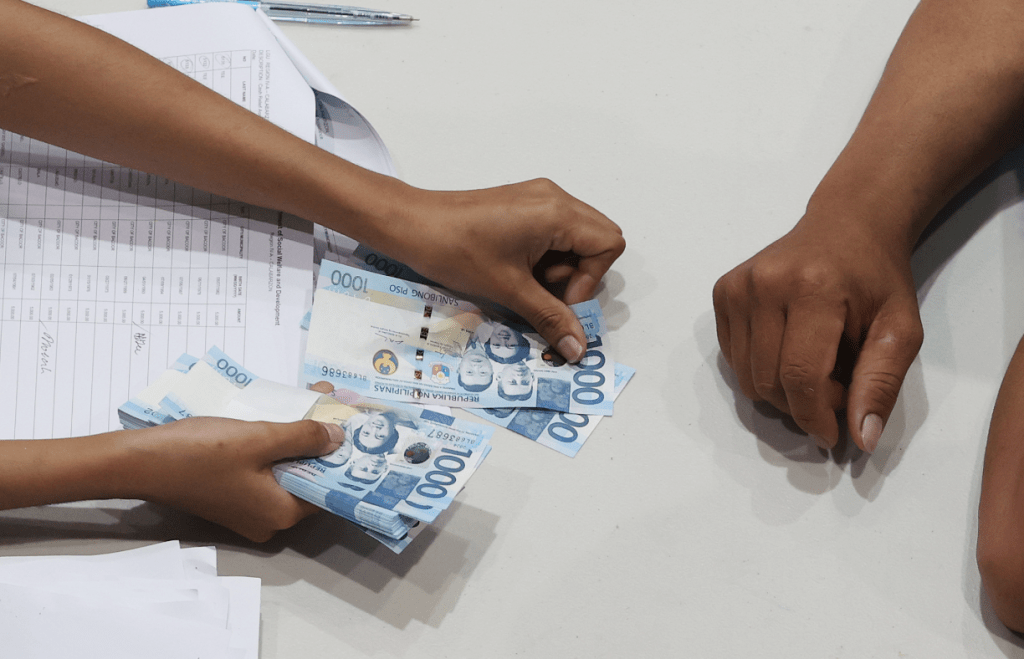
MANILA, Philippines – A coalition of labor rights organizations is raising its voice in protest, calling out the government for what they describe as the “unjust exclusion” of minimum wage earners from the latest rollout of national financial assistance (ayuda). While the subsidy program aims to cushion the impact of inflation and rising costs, advocates argue that those working on the frontlines of the economy are being unfairly bypassed.
The group’s outcry comes as many low-income families struggle to balance soaring prices for basic commodities, fuel, and utilities. By setting eligibility criteria that exclude those currently employed at the minimum wage level, critics argue the government is ignoring a significant portion of the “working poor” who are barely staying afloat.
Labor leaders point out that minimum wage earners often fall into a “policy gap”—they earn too much to qualify for programs aimed at the poorest of the poor, yet not enough to survive the current economic climate without assistance. This “missing middle” is feeling the squeeze as their purchasing power continues to erode.
“Being employed at minimum wage is not a sign of financial security,” a spokesperson for the labor group stated. “These workers are just one emergency away from poverty. Excluding them from the ayuda rollout is a slap in the face to those who kept our economy running during the most difficult times.”
The group is urging the Department of Social Welfare and Development (DSWD) and the Department of Labor and Employment (DOLE) to re-evaluate the income thresholds for the subsidy. They are advocating for a more “nuanced” approach that considers the actual cost of living in urban centers like Metro Manila, where the current minimum wage often fails to cover the basic needs of a family of five.
Beyond one-time cash transfers, the coalition is also pushing for more sustainable support, including expanded fuel vouchers for workers who commute long distances and more aggressive price controls on essential goods.
Government representatives have previously noted that aid programs are prioritized for the “vulnerable and marginalized” based on limited fiscal resources. However, the pressure from labor sectors is mounting, with several lawmakers reportedly looking into expanding the social safety net to include low-wage workers in future budget cycles.
As the debate over “who gets what” continues, the message from the labor sector is clear: a truly inclusive recovery must include the very people who form the foundation of the Philippine workforce.