
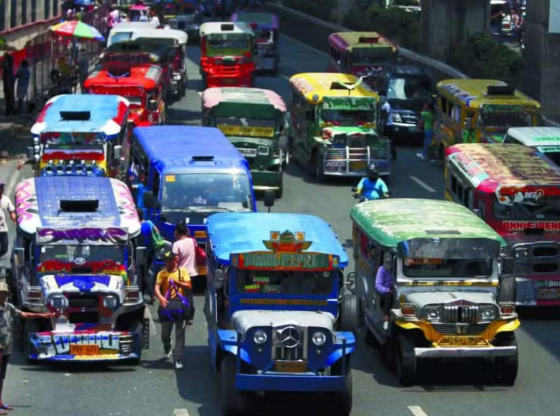

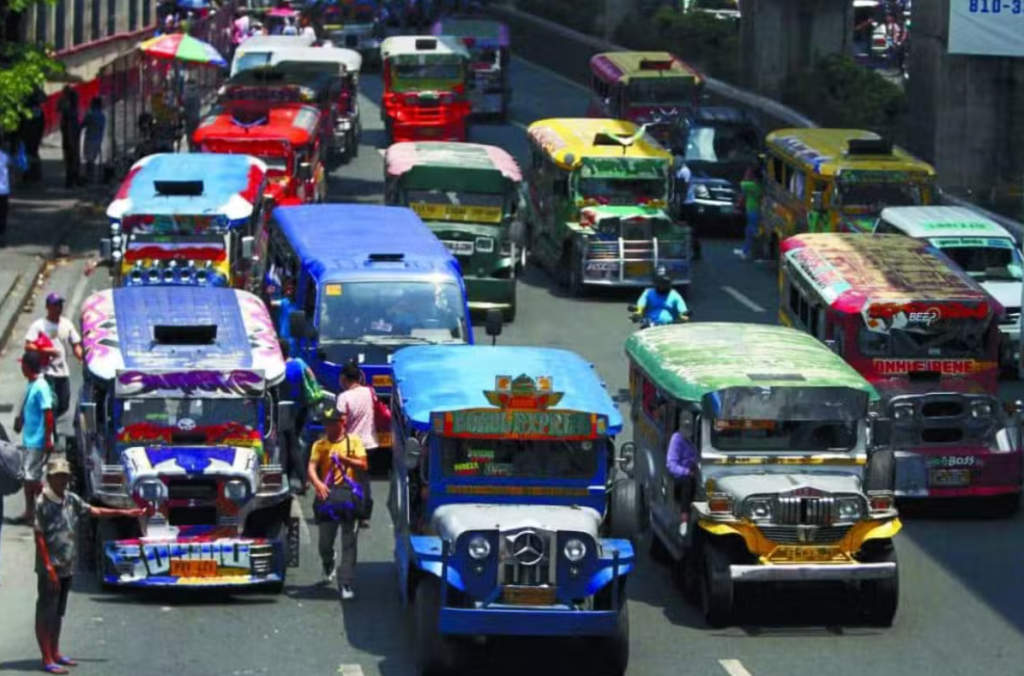
MANILA, Philippines — As skyrocketing fuel prices continue to batter the country’s transport industry, a senior lawmaker is calling on President Ferdinand Marcos Jr. to intervene by directing government agencies to grant much-needed payment relief to drivers and operators.
The appeal comes amid a deepening energy crisis that has seen pump prices soar, pushing many public utility vehicle (PUV) drivers to the brink of financial collapse. With daily earnings dwindling, the transport sector is struggling to keep up with various government-mandated fees and loan amortizations.
In a formal manifestation, the lawmaker proposed a temporary “payment moratorium” or a significant extension of deadlines for fees collected by the Land Transportation Franchising and Regulatory Board (LTFRB) and the Land Transportation Office (LTO).
“Our drivers are at the frontlines of this economic storm,” the solon emphasized. “If they cannot afford to put food on their tables because every centavo goes to fuel and government fees, the entire public transport system risks a standstill.”
Beyond administrative fees, the proposal specifically targets the monthly amortizations for modern jeepneys under the Public Utility Vehicle Modernization Program (PUVMP). Many operators who transitioned to modern units are now finding it nearly impossible to meet their bank obligations given the current cost of operations.
The lawmaker suggested that the executive branch could coordinate with state-run banks, such as the Land Bank of the Philippines and the Development Bank of the Philippines, to restructure existing loans and offer a grace period for payments without accruing additional interest.
While the government has previously rolled out fuel subsidies and “Pantawid Pasada” cards, transport groups argue that the current scale of the crisis requires more comprehensive structural relief.
Malacañang has yet to issue a formal response to the proposal, though economic managers have noted that they are continuously reviewing “targeted interventions” to cushion the impact of global oil volatility on the most vulnerable sectors of the Philippine economy.