
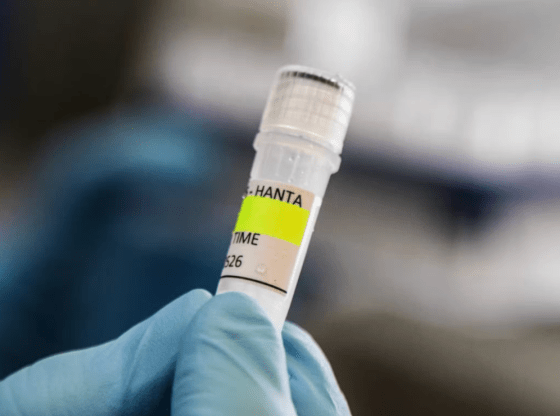

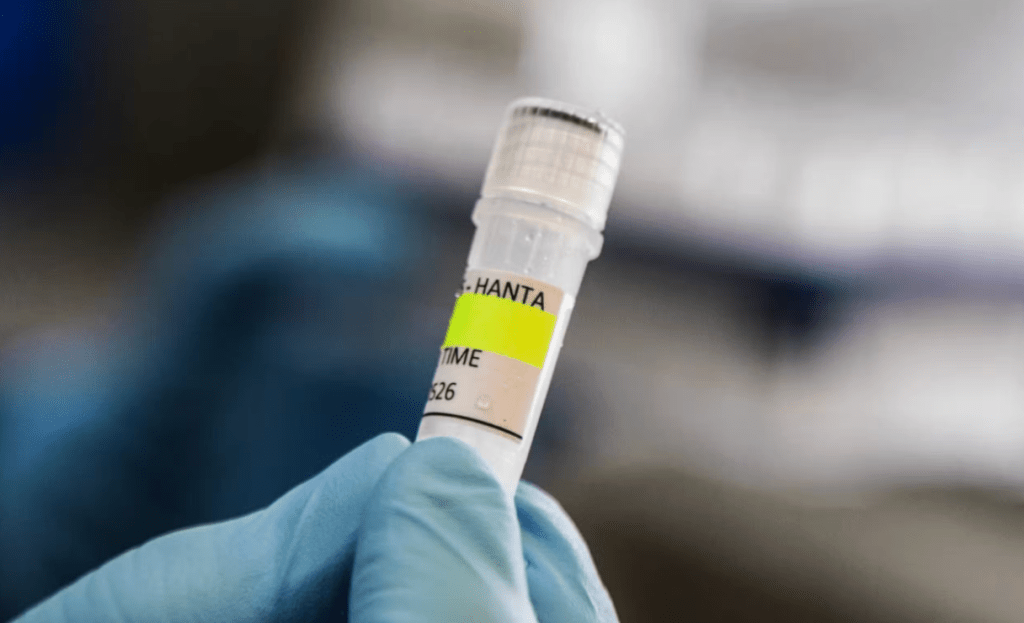
WASHINGTON, D.C. — The U.S. Centers for Disease Control and Prevention (CDC) issued a statement on Wednesday, May 6, 2026, seeking to reassure the American public that the risk of a domestic hantavirus outbreak remains “extremely low,” despite a recent deadly cluster of cases aboard an international cruise ship.
The clarification comes as preparations are underway to repatriate American citizens currently aboard the M/V Hondius, a vessel that has been the site of a rare and severe hantavirus outbreak in the South Atlantic.
The cruise ship, which departed from Argentina in late March, became the center of an international health investigation after several passengers and crew developed severe respiratory distress.
- Casualties: As of May 7, three people have died from the virus.
- Confirmed Cases: The World Health Organization (WHO) and CDC have confirmed at least two cases via PCR testing, with one patient currently in critical condition in a South African intensive care unit.
- The Suspect Strain: While hantaviruses are typically spread by rodents and do not easily pass between people, health officials are investigating if this cluster involves the Andes virus—the only known strain capable of limited human-to-human transmission.
In a coordinated “whole-of-government” response involving the Department of State and HHS, US authorities are moving to bring American passengers home while maintaining strict health protocols.
“At this time, the risk to the American public is extremely low,” the CDC stated. “We urge all Americans aboard the ship to follow the guidance of health officials as we work to bring you home safely.”
Evacuation Timeline: The remaining passengers on the M/V Hondius are expected to begin disembarking on May 11, 2026, via Spain’s Tenerife island in the Canary Islands. From there, repatriated citizens will likely undergo a period of “active symptom monitoring” for up to 45 days, the typical incubation period for the virus.
The WHO has mirrored the CDC’s assessment, labeling the global risk as “low” due to the confined nature of the outbreak. However, the event has caused significant concern in the Philippines, as Filipino crew members make up a large portion of the ship’s staff.
Hantaviruses are generally acquired through contact with infected rodent droppings or saliva. Health experts emphasize that while the “New World” strains found in the Americas can have a fatality rate of up to 40%, they do not typically cause widespread community outbreaks.