

MANILA – In a pre-dawn clampdown that caught organizers off guard, Manila police swooped in Sunday morning to halt preparations for the highly anticipated Baha sa Luneta 2.0 rally at Rizal Park, citing a lack of permit despite prior nods from city hall and traffic enforcers. The move, unfolding just hours before the event’s midnight kickoff, threw a wrench into what was billed as a massive anti-corruption outcry, leaving protesters to pivot to impromptu chants in front of the Rizal Monument as the sun crept up on a tense standoff.
The drama ignited around 6 a.m., when law enforcement blocked setup crews from cordoning off the stretch from Burgos Drive to Kalaw Avenue – a closure greenlit by the Metropolitan Manila Development Authority (MMDA) for the 12:01 a.m. start. As of 7 a.m., the road remained open to traffic, with MMDA officers on site insisting their mandate was strictly vehicular flow, not rally wrangling. “We were surprised because on September 21, we did not have a permit but were still able to hold a protest,” fumed Bayan Secretary-General Mong Palatino, the group’s fiery voice amid the fray. “This time, we coordinated with the Manila LGU and MMDA.”
Palatino didn’t stop at shock; he fired off details of their outreach. “We spoke with the Office of the Mayor of Manila. What did they say? That we could hold the protest. They would help ensure traffic management and provide other forms of support.” Yet, ground-level cops offered no rationale beyond the permit void, a stark pivot from the first Baha sa Luneta’s permit-free flow that drew thousands without incident. Queries to the Manila Police District, MMDA, and City Hall hung unanswered as the morning wore on, leaving the air thick with unanswered whys.
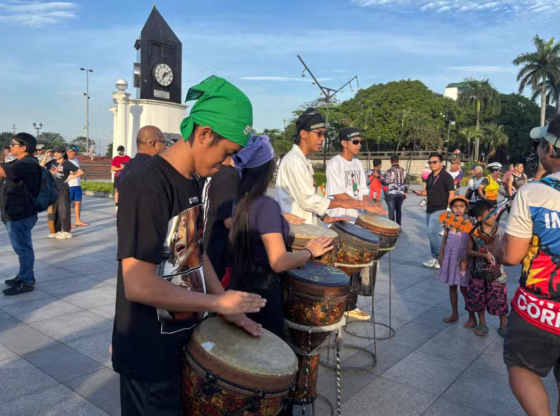
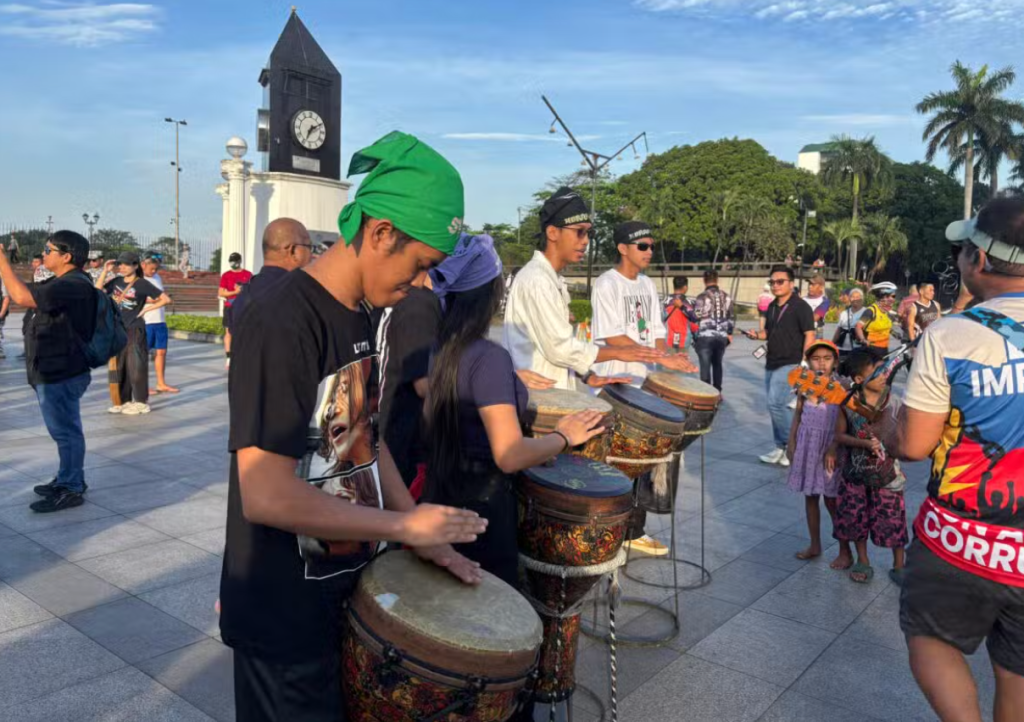
Baha sa Luneta 2.0, the sequel to September’s flood of fury over the P20-billion flood control graft scandal, was primed as the Trillion Peso March’s beating heart – a midnight deluge demanding the unmasking of crooks, the clawback of stolen pesos, and jail time for the guilty. Backed by 86 Catholic dioceses and a rainbow coalition of labor unions, fisherfolk, and faith groups, it aimed to swell Luneta with white-clad demonstrators, blending Masses, marches, and megaphone missives against a system accused of siphoning trillions into elite pockets. The halt, however, forced a huddle: Protesters, undeterred, launched flash performances at the monument, their voices a defiant ripple against the rally’s silenced roar.
For Palatino and his cadre, the snag smacks of selective scrutiny – a permit puzzle that didn’t plague the inaugural event, which rolled sans red tape yet rolled on. “This is not about safety; it’s about silencing,” he charged, eyes on a potential court clash or street surge. As the day unfolds, with Edsa’s parallel protests pulsing under PNP watch, Baha sa Luneta’s fate hangs in the balance – a symbol of a nation where the fight for clean governance often drowns in bureaucratic deluges.