
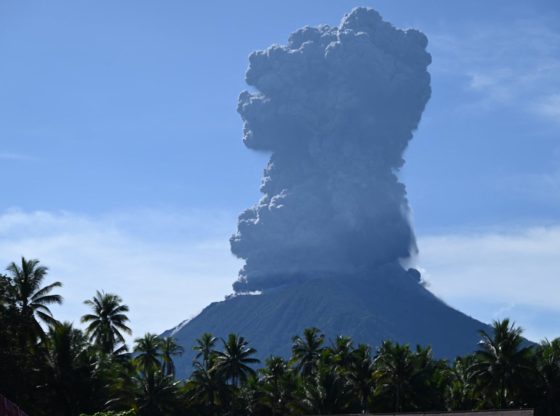

Mount Ibu, an active volcano located in Indonesia’s North Maluku Province, has once again shown its formidable power with a significant eruption on May 13, 2024. The volcano spewed a massive ash column more than five kilometers (three miles) high into the sky, marking one of the largest eruptions in recent months. This event follows a recent increase in the volcano’s alert level to the second highest last week.
A Spectacular yet Alarming Natural Phenomenon
The eruption was captured in dramatic photos showing a thick, grey-black column of ash towering over Halmahera Island. The ash cloud’s intensity was described as “thick” by Muhammad Wafid, head of the Geology Agency, and it was observed leaning towards the west. Despite the spectacular nature of the eruption, there were no immediate reports of damage or casualties, although the situation remains closely monitored.
Precautions and Safety Measures
Local authorities are taking no chances with the safety of residents in the surrounding areas. They have urged people to wear facemasks and glasses outdoors to protect against the falling volcanic ash. The eruption has necessitated maintaining an exclusion zone of three to five kilometers around the volcano’s crater, underscoring the need for continued vigilance.
Volcanic Activity in Indonesia
Mount Ibu is known for its frequent activity, with over 21,000 eruptions recorded last year alone, averaging about 58 eruptions per day in 2023. Indonesia’s position on the Pacific “Ring of Fire” makes it prone to seismic and volcanic activities, leading to frequent eruptions across the archipelago. This geological reality poses ongoing challenges to disaster management and response strategies in the region.
Broader Implications for the Region
The eruption of Mount Ibu is part of a wider pattern of volcanic activity in Indonesia. Just last month, Mount Ruang in North Sulawesi province erupted more than half a dozen times, prompting the evacuation of thousands and remaining at the highest alert level. The authorities have even planned the permanent relocation of all residents of Ruang Island due to the ongoing threat.
The repeated volcanic activities highlight the urgent need for effective disaster preparedness and response mechanisms in Indonesia. They also underscore the importance of continuous monitoring and research to better understand and mitigate the risks associated with living in one of the most geologically active regions of the world.