

MANILA, Philippines — China has signaled a renewed intent to fast-track negotiations for a long-delayed Code of Conduct (COC) in the South China Sea, banking on the Philippines’ role as the current chair of the Association of Southeast Asian Nations (ASEAN).
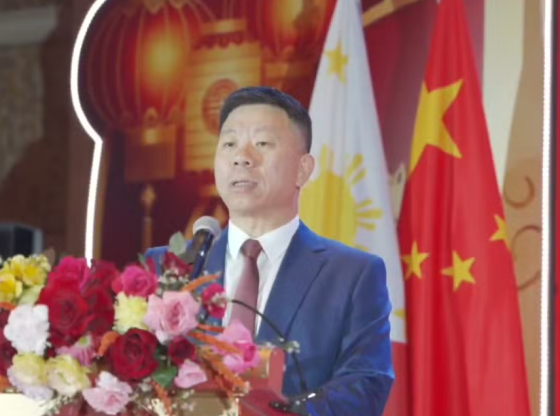
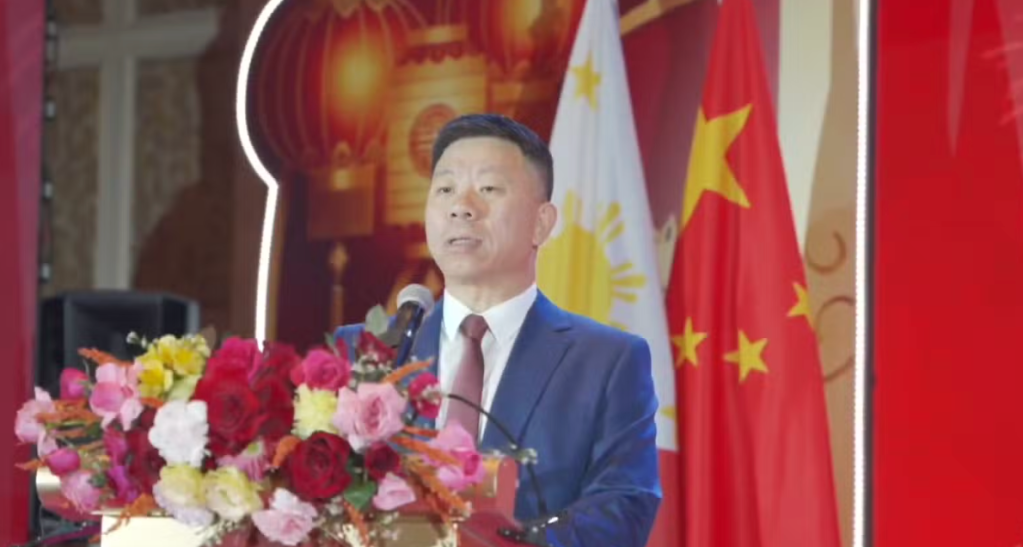
The new Chinese Ambassador to Manila, Jing Quan, who assumed the post in December 2024, expressed rare optimism during a media event on Tuesday. He noted that consultations are becoming “more frequent and more intensive” as both sides seek to stabilize a relationship increasingly defined by maritime friction.
The “Roadmap” to De-escalation Ambassador Jing revealed that Manila and Beijing are currently working on a “roadmap” intended to ease tensions in the West Philippine Sea (WPS). These talks aim to resolve confrontations through diplomatic channels rather than public spats.
“The best option is to sit down for talks and solutions in a diplomatic way,” Jing stressed, adding that preliminary consensus on the next stage of dialogue has already been reached.
Bigger Picture vs. Maritime Conflict Jing urged both nations to keep the “bigger picture” in mind, highlighting the robust economic ties between China and the Philippines. He noted that China remains a top source of imports and a major buyer of Filipino agricultural products, citing a recent $36.6 million durian import deal with Davao City as an example of successful cooperation.
Political Friction Continues Despite the diplomatic overtures, tensions remain high on the domestic front:
- “Bad Guest” Allegations: Senator Risa Hontiveros recently called the Chinese Embassy a “bad guest” for its public attacks on Filipino officials, specifically targeting PCG spokesperson Commodore Jay Tarriela.
- Retaliatory Warnings: The Chinese Embassy has warned Philippine officials to stop what it calls “provocations” regarding the use of altered images of President Xi Jinping, threatening that they would “pay the price” for their actions.
- Calls for DFA Action: The Liberal and Akbayan parties have urged the Department of Foreign Affairs (DFA) to issue a firm response to these “reckless escalations” and threats against sovereign officials.
The 2016 Arbitral Award The Philippines continues to insist that any Code of Conduct must be consistent with the United Nations Convention on the Law of the Sea (UNCLOS) and must affirm the 2016 Arbitral Award, which invalidated China’s expansive claims. China, however, continues to reject the ruling.
As the Philippines leads ASEAN this year, the international community is watching to see if the proposed “roadmap” can translate into a legally binding framework that ensures lasting peace in one of the world’s most contested waterways.