
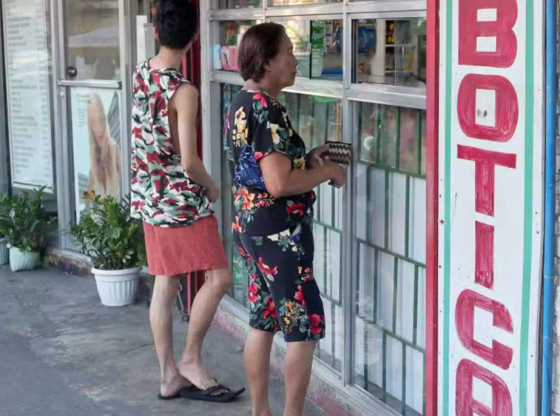

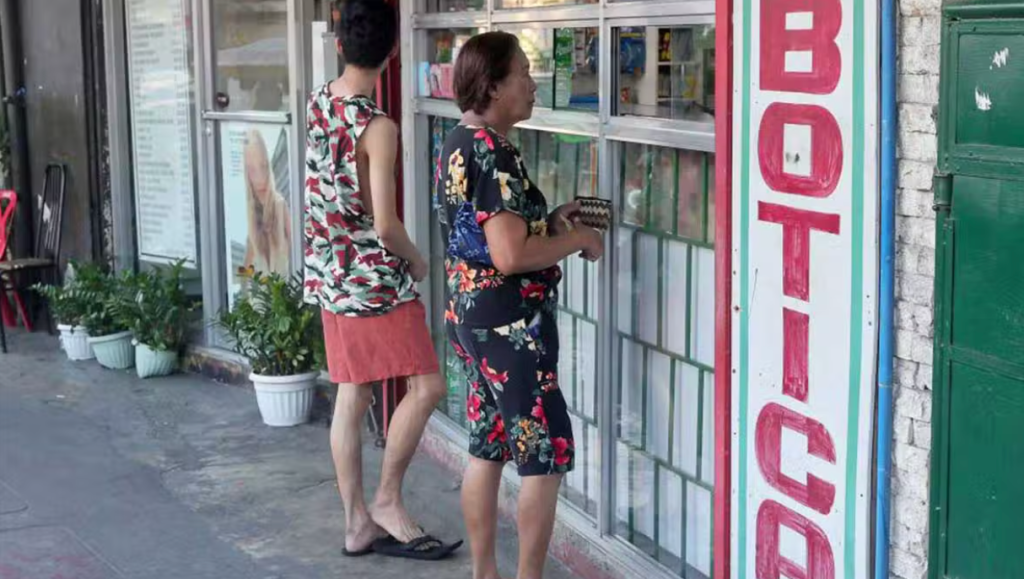
MANILA, Philippines — Amidst a backdrop of soaring fuel prices and escalating conflict in the Middle East, Filipino consumers have received a rare piece of good news: the cost of essential medicines is expected to remain stable until at least June 2026.
The Private Hospitals Association of the Philippines (PHAPi) announced on Monday that while global supply chains are under immense pressure, domestic pharmaceutical stocks remain sufficient to buffer against immediate price shocks.
PHAPi President Dr. Jose Rene de Grano explained that unlike the oil industry, which often adjusts prices weekly based on global speculation, the pharmaceutical sector operates on a more stable inventory cycle.
“Usually, it takes around two or three months for suppliers to notify hospitals of a price increase,” De Grano noted. “At least we are not like the oil companies who hike prices even if the stocks are still from old inventories.”
Because hospitals and pharmacies currently hold stocks purchased before the recent spike in logistics and fuel costs, the “status quo” on medicine pricing is expected to hold through the second quarter of the year.
The assurance comes despite a challenging economic climate. On Monday, the Philippine peso hit a low of ₱60.32 to the US dollar, a depreciation that typically drives up the cost of imported goods. Since the Philippines imports the vast majority of its drug supply—primarily from India and China—a weak peso is a long-term threat to affordability.
However, De Grano emphasized that the local industry is “very competitive.” To maintain their client base, pharmaceutical companies and private hospitals often absorb minor cost increases rather than passing them immediately to patients. “Hospitals usually go for the lowest proposals to maintain their margins, so suppliers are hesitant to hike prices too quickly,” he added.
While the short-term outlook is stable, the Pharmaceutical and Healthcare Association of the Philippines (PHAP) issued a more cautious long-term warning. The group noted that the Middle East is a “critical hub” for global shipping.
“While no immediate shortages are evident, prolonged disruptions pose real risks,” PHAP stated. With manufacturing lead times for life-saving drugs ranging from 12 to 24 months, the constraints being felt today could manifest as supply gaps in late 2026 or early 2027.
To further protect consumers, Health Secretary Teodoro Herbosa reminded the public that under the State of National Energy Emergency, certain price controls and monitoring mechanisms are already in effect. The Department of Health (DOH) is currently evaluating a proposal for a “six-month national inventory buffer” to ensure that the country remains resilient even if the global situation worsens.
For now, patients can expect no changes at the pharmacy counter, but officials urge the public to remain vigilant as the June “window” approaches.