
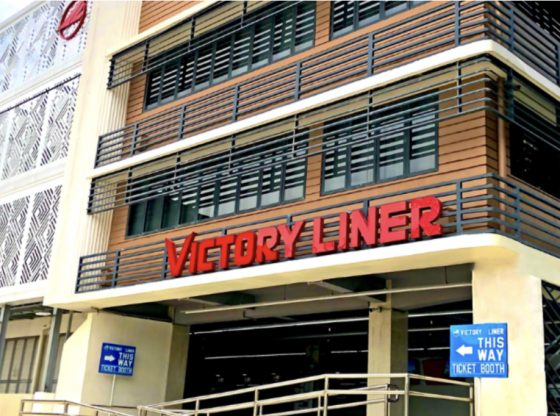


PASAY CITY, Philippines — In a direct response to the crippling surge in global oil prices, Victory Liner Inc., one of the country’s most prominent provincial bus operators, has announced a strategic “streamlining” of its daily operations.
Starting Tuesday, April 7, commuters traveling to and from Northern and Central Luzon will experience longer intervals between bus departures. The decision follows a historic spike in domestic fuel prices, with diesel retail costs in some areas officially breaching the ₱170-per-liter mark due to the ongoing conflict in the Middle East.
The adjustment marks a departure from the company’s traditional fixed-interval system. Instead of buses leaving every 30 minutes regardless of passenger load, departures will now be synchronized with actual foot traffic at major terminals like Cubao, Pasay, and Baguio City.
“We are entering a phase of tactical consolidation,” a company spokesperson explained. “To keep our wheels turning without passing the full brunt of these fuel costs onto our passengers through massive fare hikes, we must ensure that every liter of diesel is used to its maximum capacity. This means we will only dispatch units once they reach an efficient passenger load.”
The move is seen as a survival measure for the transport giant. With fuel accounting for nearly 50% of the operating costs for long-haul provincial buses, the recent ₱20-per-liter jump in a single week has made “business as usual” mathematically impossible.
By streamlining trips, Victory Liner aims to avoid:
- Route Suspensions: Ensuring that even less-traveled provincial routes remain active, albeit with fewer daily frequencies.
- Maintenance Backlogs: Reducing the mileage on its fleet to preserve parts and tires, which have also seen price increases due to global logistics disruptions.
For the thousands of workers and students who rely on the “VLI” brand, the change means more time spent in terminal waiting areas. During off-peak hours (10:00 AM to 3:00 PM), some intervals between buses could stretch to two hours or more.
“I used to just walk in and find a bus ready to go,” said one passenger at the Pasay terminal. “Now, they’re telling us we might have to wait for the next hour’s block. It’s frustrating, but if it keeps the buses running, we have to adjust.”
While Victory Liner is taking internal steps to manage the crisis, the company joined other transport groups in calling for the immediate release of fuel subsidies promised under the government’s National Energy Emergency declaration.
“Streamlining is a temporary shield,” the company added. “For the long-term sustainability of the transport sector, we need the proposed excise tax suspensions and direct subsidies to reach the operators as soon as possible.”